

Key Takeaways
Higher moisture content supports hydration
Raw meat has naturally high water content, which can benefit kidney and urinary tract health - particularly relevant for cats, who tend to drink less water than is ideal.
Fewer ultra-processed ingredients
Raw diets avoid the high-heat extrusion process used in kibble manufacturing, which some researchers suggest may affect certain nutrient bioavailability - though the clinical significance of this difference is not firmly established.
Potential palatability advantage for picky eaters
Many dogs and cats find raw food highly palatable, which can be useful for underweight animals or those recovering from illness who need encouragement to eat - though palatability alone is not a nutritional measure.
Raw meaty bones support dental health
Gnawing on appropriately sized raw bones can mechanically reduce tartar accumulation. However, bone feeding also carries fracture and choking risks, and selection must be done carefully with veterinary input.
High risk of bacterial contamination
Studies have consistently detected Salmonella, Listeria, Campylobacter, and E. coli in commercial and home-prepared raw pet foods. These pathogens can shed in pet feces and saliva, posing risk to human household members.
Nutritional imbalance is extremely common
Multiple analyses of home-prepared raw recipes found the majority lacking in key minerals - particularly calcium, phosphorus, and essential trace elements - at levels that can cause skeletal or organ problems over time.
Elevated risk for immunocompromised individuals
Households with young children, elderly adults, pregnant individuals, or anyone with a compromised immune system face materially higher risk from zoonotic pathogens carried by raw-fed pets.
Bone-related injury risks
Raw bones can splinter, causing intestinal perforations, obstructions, or tooth fractures. These injuries are not rare - they represent one of the most common raw-feeding-related emergency visits reported by veterinarians.
Parasite transmission is possible
Raw pork and some wild game carry Trichinella and other parasites; raw fish can harbor Nanophyetus salmincola, which transmits a potentially fatal salmon poisoning disease in dogs if the fish is sourced from certain regions.
Our Verdict
Raw feeding sits in genuinely contested territory: the claimed benefits are plausible but not yet well-supported by controlled studies, while the documented risks - pathogen contamination and nutritional imbalance - are concrete and consistent across veterinary literature. The decision involves weighing those real risks against your household's circumstances and your willingness to follow rigorous food-safety protocols.
Pet owners who have consulted a veterinary nutritionist, have no immunocompromised individuals at home, and can commit to strict hygiene and sourcing standards.
What 'Raw Feeding' Actually Means
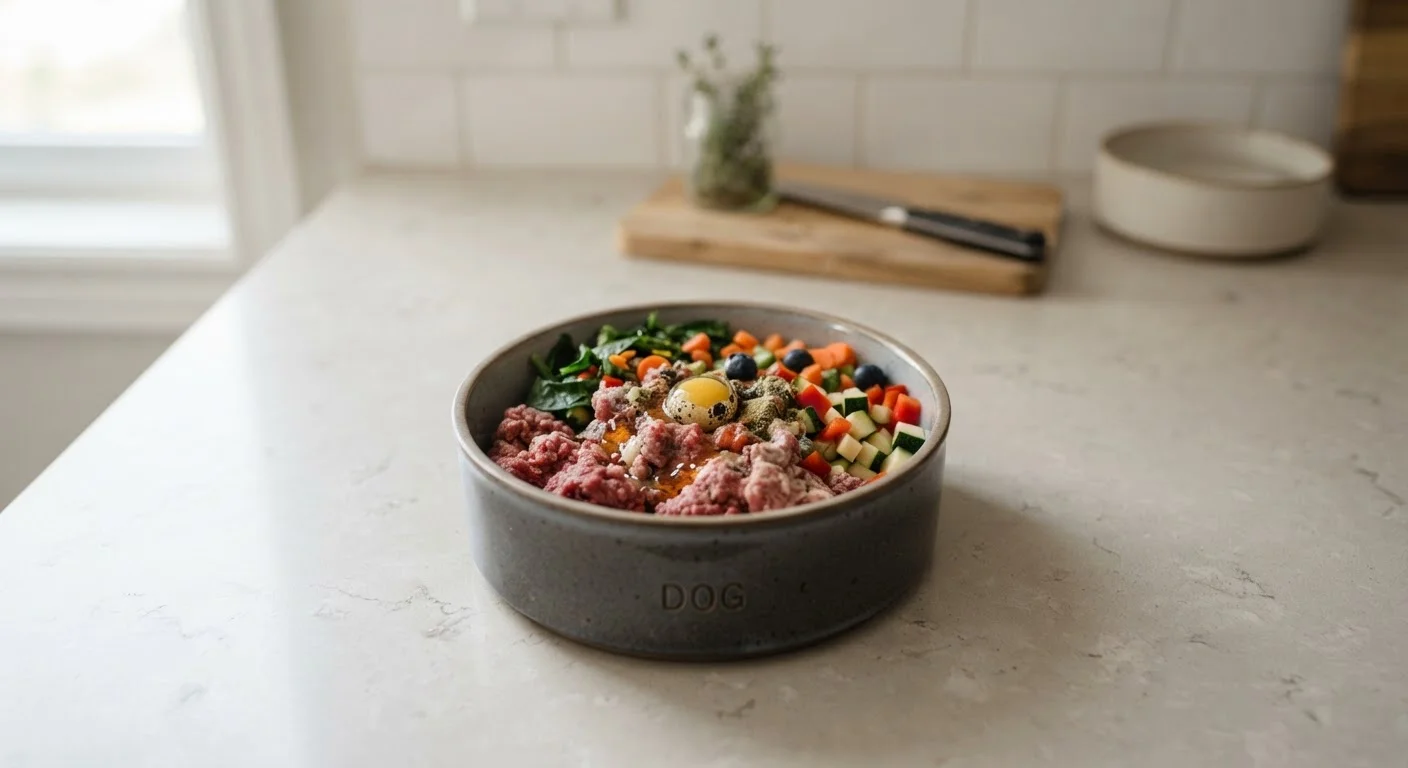
Raw feeding - often called BARF (Biologically Appropriate Raw Food) or species-appropriate raw food - refers to diets built around uncooked muscle meat, organ meat, raw meaty bones, and sometimes raw fruits and vegetables. The movement gained traction in the early 1990s and has grown substantially, though it remains outside the mainstream of veterinary dietary guidance.
It's worth distinguishing between commercially prepared raw diets (sold frozen or freeze-dried, sometimes formulated to meet AAFCO nutrient profiles) and home-prepared raw meals, which vary enormously in nutritional completeness. These two formats carry meaningfully different risk-and-benefit profiles. For a broader picture of how raw compares to other feeding choices, see our honest comparison of homemade and commercial pet food.
The Case For Raw Diets
Advocates - including some integrative veterinarians - point to several potential advantages, though it's important to recognize that much of the supporting evidence is anecdotal or based on small, non-controlled studies.
Higher moisture content supports hydration
Raw meat has naturally high water content, which can benefit kidney and urinary tract health - particularly relevant for cats, who tend to drink less water than is ideal.
Fewer ultra-processed ingredients
Raw diets avoid the high-heat extrusion process used in kibble manufacturing, which some researchers suggest may affect certain nutrient bioavailability - though the clinical significance of this difference is not firmly established.
Potential palatability advantage for picky eaters
Many dogs and cats find raw food highly palatable, which can be useful for underweight animals or those recovering from illness who need encouragement to eat - though palatability alone is not a nutritional measure.
Raw meaty bones support dental health
Gnawing on appropriately sized raw bones can mechanically reduce tartar accumulation. However, bone feeding also carries fracture and choking risks, and selection must be done carefully with veterinary input.
The most commonly reported improvements involve coat quality, stool volume and consistency, and energy levels. Some dogs with certain chronic digestive sensitivities also appear to tolerate raw formats better than highly processed kibble - though this varies considerably by individual animal. Our article on signs your pet's diet may not be meeting nutritional needs can help you assess whether your current approach is working.
The Documented Risks
Major veterinary organizations - including the American Veterinary Medical Association (AVMA) and the American Animal Hospital Association (AAHA) - have issued formal policy statements discouraging raw meat-based diets, primarily on the basis of pathogen risk and nutritional inconsistency.
High risk of bacterial contamination
Studies have consistently detected Salmonella, Listeria, Campylobacter, and E. coli in commercial and home-prepared raw pet foods. These pathogens can shed in pet feces and saliva, posing risk to human household members.
Nutritional imbalance is extremely common
Multiple analyses of home-prepared raw recipes found the majority lacking in key minerals - particularly calcium, phosphorus, and essential trace elements - at levels that can cause skeletal or organ problems over time.
Elevated risk for immunocompromised individuals
Households with young children, elderly adults, pregnant individuals, or anyone with a compromised immune system face materially higher risk from zoonotic pathogens carried by raw-fed pets.
Bone-related injury risks
Raw bones can splinter, causing intestinal perforations, obstructions, or tooth fractures. These injuries are not rare - they represent one of the most common raw-feeding-related emergency visits reported by veterinarians.
Parasite transmission is possible
Raw pork and some wild game carry Trichinella and other parasites; raw fish can harbor Nanophyetus salmincola, which transmits a potentially fatal salmon poisoning disease in dogs if the fish is sourced from certain regions.
74%
Home-prepared raw recipes with nutritional deficiencies
A study published in the Journal of Nutritional Science found that approximately 74% of home-prepared raw dog food recipes analyzed did not meet AAFCO minimum nutrient requirements.
21%
Commercial raw products testing positive for Salmonella
A U.S. FDA sampling study found Salmonella in roughly 1 in 5 commercially available raw pet food products tested, consistent with findings from multiple independent surveys.
Nutritional imbalance is a frequently underappreciated concern. Studies analyzing home-prepared raw recipes have found that the majority fall short of minimum nutrient requirements set by AAFCO (the Association of American Feed Control Officials). Even commercially prepared raw products are not uniformly complete and balanced - checking for an AAFCO nutritional adequacy statement on the label is an essential first step.
For context on how raw stacks up nutritionally against other formats, our comparison of wet and dry food covers moisture, calories, and digestibility in useful detail.
What the Research Actually Shows
The evidence base is genuinely limited. Most studies on raw diets are small, observational, funded by interested parties, or lack control groups - making it difficult to draw firm conclusions. Some peer-reviewed research does show measurable microbiome differences in raw-fed dogs, but whether those differences translate into meaningful health outcomes remains unclear.
The Research Gap Is Real
Most published studies on raw diets in companion animals involve small sample sizes, short observation periods, or are conducted without control groups. This makes it difficult for veterinary bodies to issue firm guidance in either direction beyond pathogen risk. As research matures, recommendations may evolve - which is why working with a veterinary nutritionist rather than relying solely on online communities or advocacy literature is especially important when navigating this topic.
It's also worth checking our rundown of common pet feeding myths - several beliefs about raw feeding appear on that list because they're repeated confidently but aren't supported by current evidence.
The honest picture: raw feeding is neither a proven cure-all nor inherently reckless for every household. The right answer depends heavily on individual pet health, household composition, and how rigorously safety practices are followed.
This article is for general informational purposes only and does not constitute veterinary or dietary advice. Always consult a licensed veterinarian or board-certified veterinary nutritionist before making significant changes to your pet's diet.