

Key Takeaways
Why Car Maintenance Myths Persist
Car maintenance advice spreads easily - from well-meaning family members, quick-lube shop employees, and decades-old habit. The problem is that many of these beliefs were formed around vehicle technology that no longer exists. Today's engines, oils, and fuel systems operate very differently from those of the 1970s and 1980s, yet the old rules of thumb keep circulating and costing drivers real money.
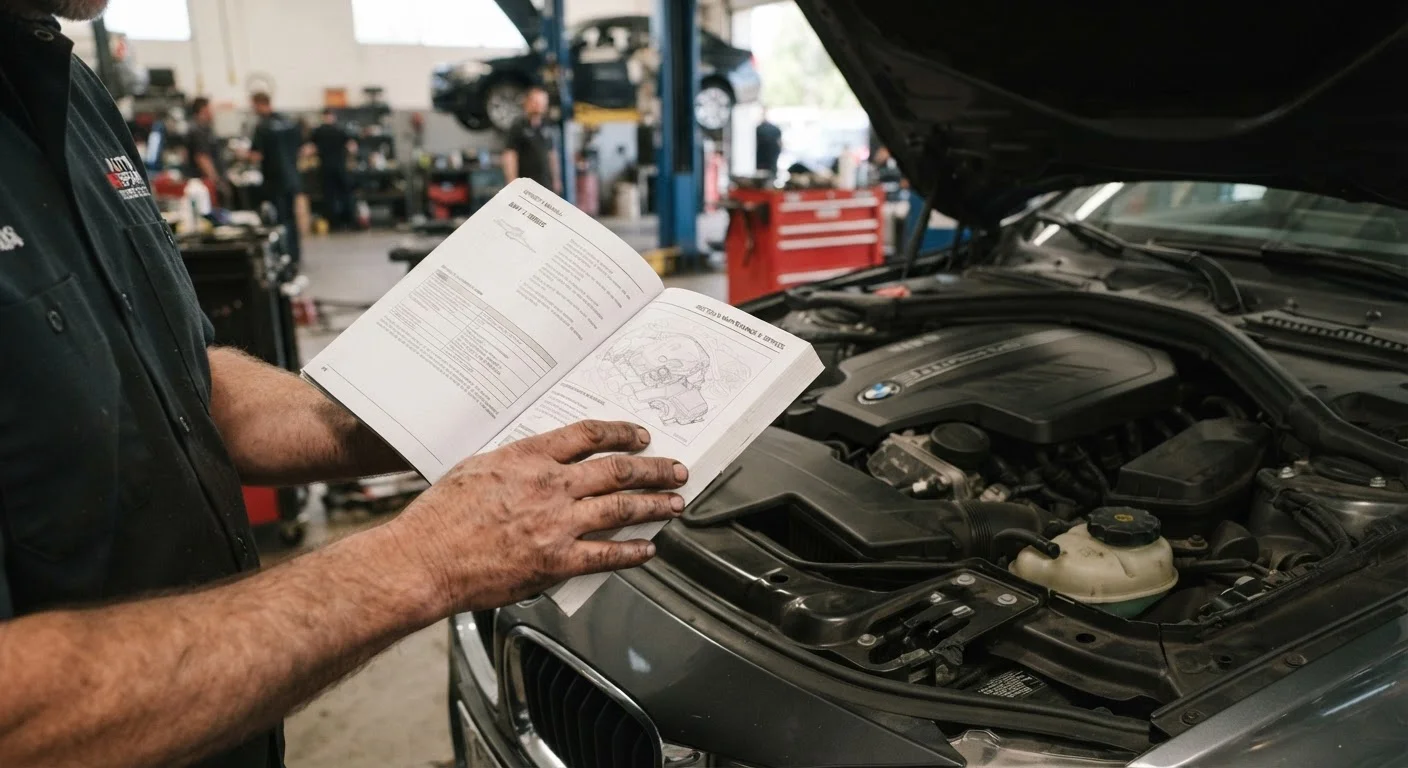
The single most reliable source for your specific vehicle's maintenance needs is the owner's manual in your glove box. It reflects what your manufacturer's engineers actually tested and recommend - not general industry estimates. Pairing that with informed skepticism toward common myths can save you hundreds of dollars annually. For a broader view of how maintenance decisions affect your wallet over time, see our guide on keeping car ownership costs manageable.
Myth
You must change your oil every 3,000 miles to protect your engine.
Fact
Most modern vehicles with conventional oil can go 5,000 to 7,500 miles between changes, and those using full synthetic oil may go 10,000 miles or more, depending on manufacturer specifications.
The 3,000-mile rule was a reasonable guideline for older engines running conventional oil under tough conditions. Today's refined motor oils and tighter engine tolerances have made it obsolete for the vast majority of drivers. Following it unnecessarily can cost hundreds of dollars per year in excess service visits. Check your owner's manual for your vehicle's actual recommended interval, and consider reading our breakdown of synthetic vs. conventional motor oil for additional context.
Myth
Using premium fuel makes any car run better and improves fuel economy.
Fact
Premium fuel only benefits engines that are engineered to require it or that have compression ratios high enough to take advantage of higher octane. Putting premium in a standard engine produces no measurable performance or efficiency gain.
Octane rating measures a fuel's resistance to premature detonation (engine knock), not its overall quality or energy content. If your owner's manual specifies regular unleaded, that is the fuel your engine is calibrated for. Using premium in that vehicle is simply spending more money for no engineering benefit. The only time premium matters is when the manufacturer states it is required - not merely recommended - for your specific engine.
Myth
You should let your car idle for several minutes before driving in cold weather to warm up the engine.
Fact
Modern fuel-injected engines reach optimal operating temperature faster by being driven gently than by sitting at idle.
Extended idling made sense for carbureted engines common before the late 1980s, which needed time to stabilize fuel mixture. Fuel injection eliminated that need. Today, idling for more than 30 to 60 seconds before gentle driving is generally unnecessary and can actually leave excess fuel in the combustion chamber, washing oil from cylinder walls over time. A calm, easy drive for the first few minutes after a cold start is both more effective and more fuel-efficient.
Myth
The correct tire pressure for your car is the number printed on the tire sidewall.
Fact
The sidewall number is the tire's maximum allowable pressure, not the recommended operating pressure for your vehicle.
Your vehicle's correct tire pressure is printed on a placard typically found on the driver's door jamb or inside the fuel door. It reflects what the vehicle's engineers determined provides the best balance of handling, ride comfort, fuel economy, and tire wear for that specific car's weight and geometry. Inflating to the sidewall maximum overinflates the tire, reduces the contact patch, and can cause uneven wear and a harsher ride. Always use the vehicle placard as your reference.
Myth
If your battery starts the car, it's fine and doesn't need any attention.
Fact
Car batteries degrade gradually and can fail suddenly without warning; periodic testing reveals declining capacity before a no-start situation occurs.
A battery that successfully starts your car today may be operating near the end of its usable life, especially in temperature extremes. Most automotive batteries have a service life of three to five years, but this varies with climate, driving patterns, and electrical load. A simple load test - available at many auto parts stores and shops - can reveal remaining capacity. Proactive attention is far less disruptive than an unexpected failure. For a full overview, see our article on battery health and what drivers overlook.
Myth
You only need to replace your air filter when the check-engine light comes on.
Fact
Air filters should be replaced on a schedule based on mileage and driving conditions, not in response to warning lights - which typically signal a different class of problem entirely.
A clogged engine air filter restricts airflow, forcing the engine to work harder and potentially affecting fuel economy and performance - often without triggering any dashboard warning. Most manufacturers recommend inspection every 15,000 to 30,000 miles, with replacement based on condition and driving environment (dusty or unpaved roads accelerate clogging). Cabin air filters and fuel filters follow their own intervals. Our guide on air filters, cabin filters, and fuel filters explains each type and when it wears out.
What the Evidence Actually Says
Each myth below has a real cost: either unnecessary spending, deferred maintenance where it actually matters, or both. Understanding the reasoning behind the correction - not just the correction itself - helps drivers make confident, informed decisions going forward.
It's also worth noting that skipping genuinely needed maintenance is just as costly as performing unnecessary service. Our article on the real cost of skipping routine maintenance details how small deferrals compound into large repair bills. And if you want to know which fluid checks you can easily do yourself at home, see car fluid checks you can do in your own driveway.
The goal isn't to avoid the shop - it's to walk in knowing what your car actually needs, so you can have a productive conversation rather than simply accepting every upsell. For more on separating automotive fact from fiction in a related area, our piece on auto insurance myths that cost drivers real money applies the same scrutiny to coverage misconceptions.