

Key Takeaways
What the Monthly Payment Doesn't Tell You
For many new car owners, the monthly loan or lease payment feels like the primary financial commitment. It's the number that appears in ads, the figure that gets negotiated at the dealership, and the line item that shows up in a household budget. But it represents only a portion of what owning a vehicle actually costs. The administrative, regulatory, and situational expenses that surround it rarely get the same attention - until they arrive unexpectedly.
A fuller picture of vehicle ownership is outlined in our overview of the true cost of owning a car, which covers depreciation, insurance, and fuel alongside the costs explored here. Understanding what's coming - before it arrives - makes the difference between a manageable ownership experience and a series of budget surprises.
Annual Vehicle Registration Fees
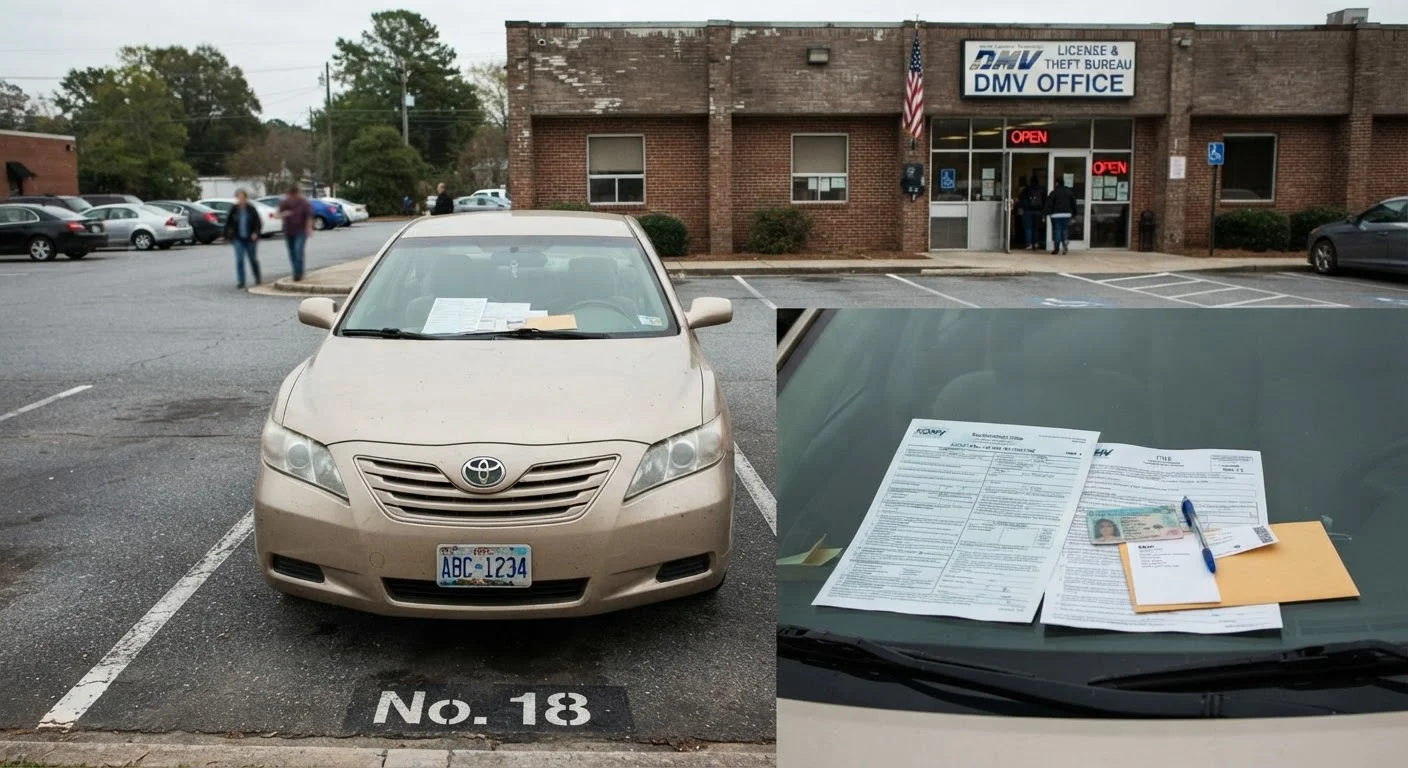
Every state requires vehicles to be registered annually or biannually, and the cost varies widely. Some states base the fee on the vehicle's value or weight, which means a newer or heavier vehicle can carry a registration bill well above $200 per year. Others charge a flat rate that stays relatively low regardless of the car. First-time owners often budget only for the initial registration done at the dealership, then are surprised when renewal notices arrive months later. Check your state's DMV website for the exact fee structure - and factor it into your annual car budget from day one.
Registration fees can exceed $200 annually depending on your state and vehicle value.
Emissions and Safety Inspection Fees
Roughly half of U.S. states require periodic emissions testing, safety inspections, or both. These tests typically cost between $20 and $75 depending on the state and vehicle type, and they must be passed before registration can be renewed. If your vehicle fails, the cost of the required repairs is entirely separate - and can run into hundreds of dollars. New owners of older vehicles are particularly exposed here, since pre-purchase inspections don't always predict what a state emissions test will flag. Understanding your state's inspection schedule before buying helps you plan realistically.
A failed emissions test can turn a $30 inspection into a much larger unexpected repair bill.
Parking Permits and Urban Parking Costs
If you live in a city or a densely populated suburb, parking is a real and recurring cost that rarely shows up in ownership calculators. Residential street-parking permits can range from nominal annual fees to several hundred dollars per year in high-demand cities. Garage or lot parking for daily commuters can easily exceed $100 to $300 per month in urban centers. Even occasional paid parking - at work, appointments, or events - adds up quickly over a year. Drivers relocating from rural or suburban areas to cities often underestimate this category significantly.
Monthly garage parking in an urban center can rival a car insurance premium.
Toll Roads and E-ZPass or Transponder Accounts
Toll costs are easy to overlook until you start driving a regular route that crosses them. In many states along the East Coast and in metro areas across the country, tolls are collected electronically, meaning you'll need a transponder account like E-ZPass or a regional equivalent. Setting up that account often requires a prepaid deposit. Driving without a transponder typically results in higher per-trip rates or mailed invoices with added fees. For drivers who commute on toll roads daily, these charges can total $1,000 or more per year - a cost that deserves a line in any honest car budget.
Daily toll commuters can accumulate over $1,000 in charges annually without realizing it.
Gap Insurance for Financed Vehicles
When you finance a car, there's often a period - especially in the first year or two - when you owe more on the loan than the vehicle is currently worth. This is sometimes called being "underwater" on the loan. If the car is totaled or stolen during that window, standard insurance typically pays only the vehicle's current market value, not the remaining loan balance. Gap insurance covers the difference. Some lenders require it; others don't. New owners who skip it can find themselves still making loan payments on a vehicle they no longer have. For more background on how depreciation factors in, see how car values decline over time.
Gap insurance can prevent you from owing money on a car that no longer exists.
Routine Maintenance on a Fixed Schedule
Oil changes, tire rotations, air filter replacements, and brake inspections aren't optional - they're the baseline of keeping a vehicle safe and reliable. New owners sometimes treat these as one-time events rather than ongoing, recurring expenses. Depending on your vehicle and driving habits, routine maintenance can cost $500 to $1,000 or more per year. Skipping or delaying these services compounds costs over time. As our guide on deferred maintenance explains, small neglected items become expensive repairs. Scheduling maintenance proactively - and budgeting for it - is one of the most effective ways to control total ownership costs.
Routine maintenance is a recurring annual cost, not a one-time expense to check off.
Title Transfer and Documentation Fees
When buying a used vehicle privately or from a dealership, title transfer fees and documentation charges are part of the transaction. These vary by state and can range from under $20 to over $100. Dealerships also commonly charge documentation fees - sometimes called "doc fees" - that are separate from the vehicle price and are frequently non-negotiable. Understanding what registration and title documents actually cover helps you know what you're paying for and avoid confusion at signing.
Documentation and title fees are transaction costs that don't disappear whether you buy new or used.
Building a Budget That Reflects Reality
The costs above share a common thread: they're predictable once you know to look for them. None of them should catch a prepared owner off guard. The practical move is to treat car ownership as a total annual cost, not just a monthly payment, and build a realistic budget that accounts for registration, inspections, parking, tolls, gap coverage, and scheduled maintenance from the start.
Costs Vary Significantly by State
Registration fees, inspection requirements, toll infrastructure, and title costs are all governed at the state level. What applies in Texas may look very different from what you'd face in Massachusetts or California. Always verify specifics with your state's DMV or motor vehicle authority before estimating your annual ownership costs.
First-time owners in particular benefit from a full accounting of what the first year looks like. Our guide on what the first year of car ownership actually involves walks through the administrative and financial realities in practical terms. And if you want strategies for keeping these costs manageable over the long term, controlling car costs over the long haul offers habits worth building early.