

Key Takeaways
Vehicle Depreciation
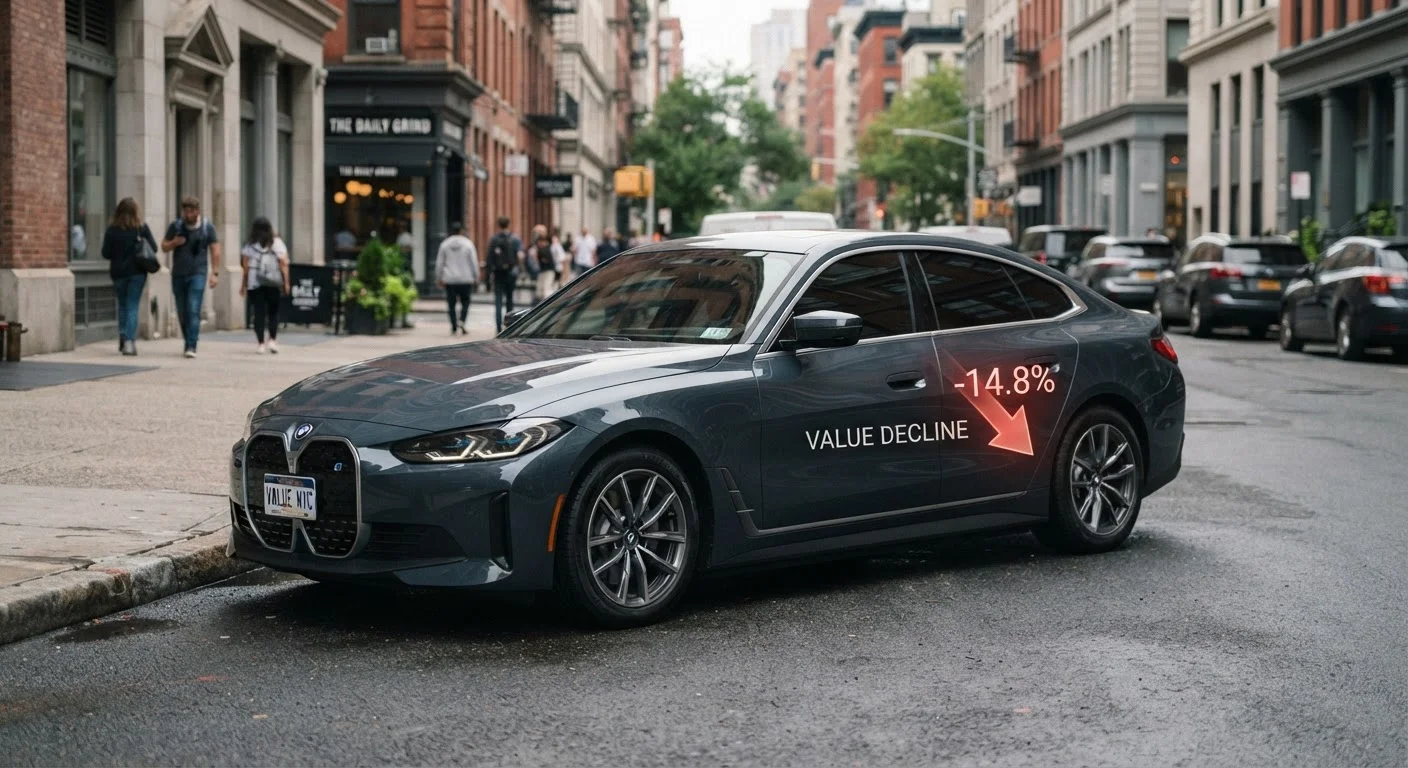
Vehicle depreciation is the loss in a car's monetary value over time. It begins the moment you drive off the lot and continues throughout the life of the vehicle. Depreciation is generally considered the single largest cost of owning a car, often outpacing fuel, insurance, and maintenance combined.
Depreciation is calculated as the difference between a vehicle's purchase price and its current market value - often expressed as a percentage of original value lost per year or over a set ownership period.
The Basics of How Cars Lose Value
Depreciation is not a fee or a charge - it's simply the gap between what you paid and what the vehicle is worth at any given moment. A car is a depreciating asset, meaning its value trends downward over time rather than upward like many investments.
The rate of decline is steepest early in a vehicle's life. Industry data consistently shows that new cars lose a significant portion of their value within the first year, then continue declining at a slower pace. By the time a vehicle is five years old, it may be worth roughly 40-60% of its original purchase price, though this varies considerably by vehicle type and market demand.
Because depreciation is often invisible - there's no monthly bill for it - many owners underestimate its true weight. It's worth factoring in as part of the true cost of owning a car, alongside fuel, insurance, and routine upkeep.
Factors That Speed Up Depreciation
Not all vehicles lose value at the same rate. Several factors push depreciation faster - some are outside your control, and some are not.
15-25%
Value lost in a new car's first year
Industry appraisal data consistently shows this range as typical for new vehicle depreciation during the first 12 months of ownership.
~50%
Approximate value remaining after five years
On average, a vehicle retains roughly half its original purchase price after five years, though this varies significantly by make, model, and market conditions.
$3,000+
Annual depreciation cost for a typical new vehicle
Consumer cost analyses estimate that depreciation alone accounts for several thousand dollars per year in real ownership cost for average-priced new vehicles.
Mileage
The more miles on the odometer, the less time and use remain in the vehicle, and buyers price accordingly. High annual mileage is one of the most direct accelerators of value loss.
Condition and Accident History
Dents, worn interiors, and past collision repairs all signal to buyers that a vehicle has been less than ideally maintained. A clean vehicle history report tends to hold value better than one with reported incidents.
Market Demand and Vehicle Type
Vehicles in high demand - based on fuel economy trends, practicality, or consumer preference shifts - depreciate more slowly. Conversely, a vehicle type that falls out of favor (such as large SUVs during periods of high fuel prices) may depreciate faster than average.
Trim Level and Options
Entry-level trims and vehicles with limited features generally appeal to fewer buyers, which can compress resale value. Popular option packages that buyers actively seek can modestly slow depreciation.
What You Can Actually Control
While you cannot stop depreciation, you do have real influence over its pace. The most effective habits are straightforward:
- Keep thorough service records. A documented maintenance history tells the next owner the vehicle was cared for - and that evidence has tangible resale value. This is especially relevant given the real cost of skipping routine maintenance.
- Protect the exterior and interior. Regular washing, waxing, and interior cleaning preserve condition grades that appraisers and private buyers both evaluate.
- Mind your mileage. If you drive significantly more than average, it's worth knowing that resale value will reflect that accordingly.
- Avoid modifications that limit buyer appeal. Aftermarket changes that reflect personal taste often narrow the pool of interested buyers at resale time.
Owners planning to sell or trade in should also consider timing. Selling before major maintenance milestones - when a car still reads as low-cost to own - can improve negotiating position.
How Depreciation Interacts With Financing
Depreciation carries a specific financial risk for buyers who finance a vehicle: the possibility of being "underwater" on a loan, meaning you owe more than the car is currently worth. This situation, sometimes called negative equity, can create real problems if the car is totaled or you need to sell before the loan is paid down.
Larger down payments, shorter loan terms, and avoiding rolling previous loan balances into new financing all reduce the risk of negative equity. These decisions are worth thinking through carefully - for more context, see our guide on financing a car vs. paying cash.
Reduce Negative Equity Risk From the Start
Putting at least 10-20% down at purchase and choosing a loan term of 48 months or fewer can help keep your loan balance closer to the vehicle's actual market value. This reduces the chance of finding yourself underwater if circumstances change unexpectedly.
Even owners who pay cash outright are affected by depreciation - it simply shows up as reduced net worth rather than a loan imbalance. Understanding this distinction helps frame depreciation as a real ownership cost regardless of how the purchase was funded.
Putting Depreciation in Perspective
Depreciation isn't a reason to avoid owning a car - for most Americans, a vehicle is a practical necessity. But it is a reason to think carefully about purchase price, expected ownership duration, and the indirect costs that don't appear in a monthly payment.
Longer ownership periods tend to reduce the annual cost of depreciation on a per-year basis, since the steepest drops happen early. Drivers who keep a well-maintained vehicle for eight to ten years spread that initial value loss across more years of use, which often makes the math of ownership more favorable. See how this fits into keeping car ownership costs manageable over the long haul.
Knowing that depreciation exists - and understanding what drives it - puts you in a far better position to make informed decisions about when to buy, what to buy, and how long to keep it.