

Key Takeaways
Why Budget Eating and Good Nutrition Aren't at Odds
A persistent misconception holds that eating well is inherently expensive. Research and practical experience both challenge this. Many of the world's most nutritionally studied diets - rich in legumes, whole grains, vegetables, and modest amounts of animal protein - are built on affordable staples. The cost-health disconnect often comes not from the foods themselves, but from habits: impulse shopping, reliance on convenience foods, and food waste that quietly inflates spending.
Understanding a few foundational principles of budget nutrition puts practical control back in your hands. For a broader look at how nutrition patterns from around the world align on affordable staples, see what global dietary patterns have in common.
Core Practices for Eating Well Without Overspending
The following evidence-backed approaches consistently appear in nutrition and food-economics research as effective strategies for improving diet quality while managing costs.
Build meals around legumes and whole grains as your primary protein and energy sources.
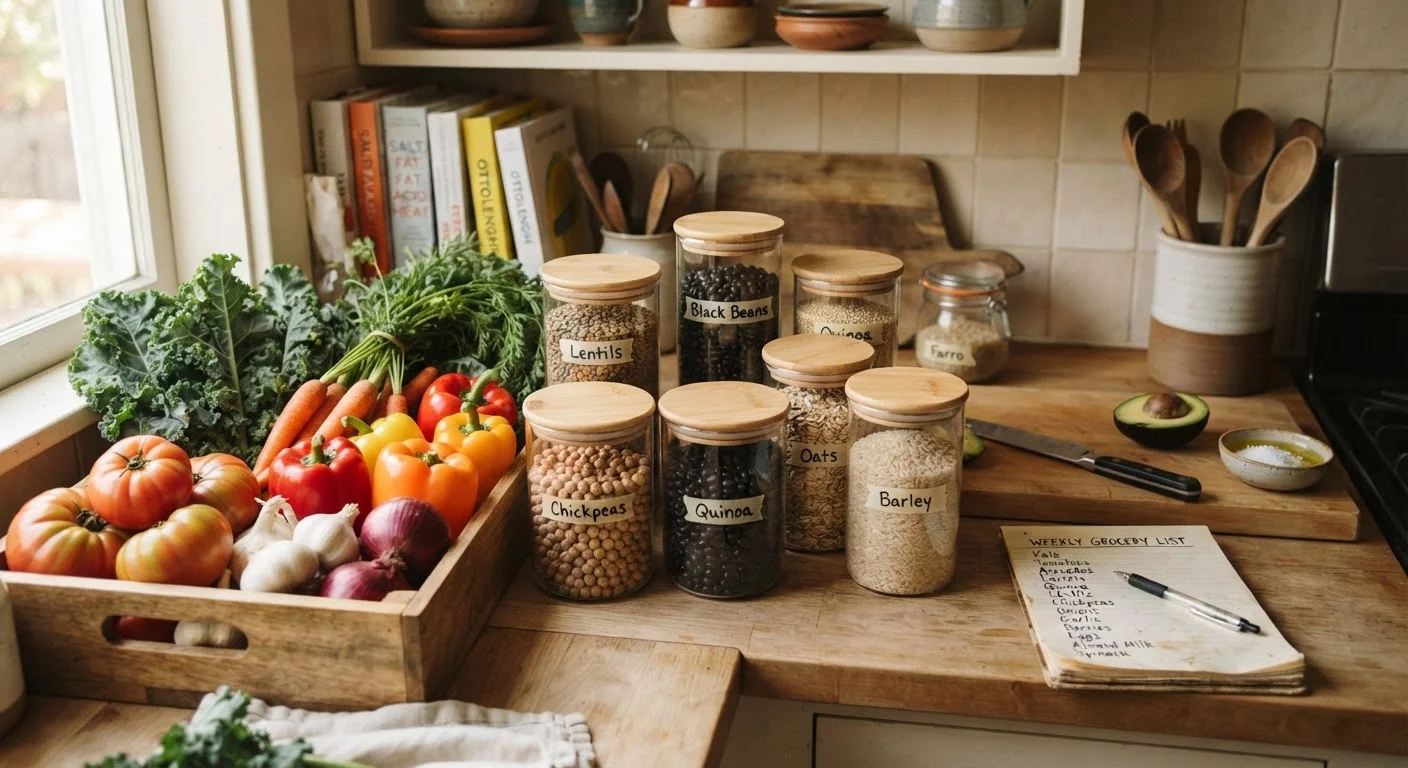
Dried or canned beans, lentils, chickpeas, oats, and brown rice consistently rank among the most nutrient-dense foods by cost. They deliver protein, fiber, and key micronutrients at a fraction of the per-serving cost of meat or processed snacks. Dietary guidelines from the USDA and leading nutrition organizations support their central role in a healthy eating pattern.
Shop with a written or digital list built around a weekly meal plan.
Unplanned shopping is one of the leading drivers of food budget overruns and food waste. A meal plan created before shopping ensures you buy only what you'll use, reduces the temptation of unplanned purchases, and helps you spot ingredient overlap across recipes - stretching each item further. Meal planning fundamentals can walk you through a practical weekly approach.
Incorporate frozen and canned produce and fish regularly.
Freezing preserves most of the nutritional content of vegetables and fruit at the point of peak ripeness, and canned fish such as tuna and salmon retain high levels of omega-3 fatty acids. These formats are typically 30-50% cheaper than their fresh equivalents and have long shelf lives, reducing spoilage risk significantly.
Cook in larger batches and repurpose leftovers intentionally.
Batch cooking reduces the per-meal time and energy cost of home cooking, making it more sustainable. It also provides a ready alternative to takeout on busy nights, which is one of the biggest budget leaks for many households. Planned leftovers also reduce food waste, which the USDA estimates accounts for a significant share of household food expenditure.
Buy produce that's in season and, where available, from discount or bulk sections.
Seasonal produce is typically more abundant, lower in cost, and fresher than out-of-season options shipped long distances. Buying from bulk bins for grains, nuts, and seeds reduces packaging premiums and lets you purchase only the quantity you need. Many stores also offer reduced-price sections for produce nearing its best-before date - still nutritionally sound for near-term use.
Reduce food waste through deliberate storage and a use-first approach.
Wasted food is wasted money - and it's a more significant budget drain than many households realize. Simple habits like storing ingredients visibly, organizing the refrigerator so older items are used first, and repurposing vegetable scraps in broths can meaningfully extend your grocery dollar. For context on how nutrition habits intersect with food choices, see nutrition habits that quietly undermine a healthy diet.
Building the Habit: Where to Start This Week
Shifting food habits doesn't require an overhaul - small, consistent changes tend to stick better than large resets. Prioritizing one or two strategies at a time reduces overwhelm and allows you to see what genuinely saves money in your household context.
If you're also working on broader household spending, building a household budget from the ground up can help you set realistic limits across all spending categories, including food.
This article is for general informational and educational purposes only. It does not constitute medical or dietary advice. Consult a registered dietitian or qualified healthcare professional for guidance tailored to your individual health needs.