

Key Takeaways
Deferred Maintenance
Deferred maintenance is the practice of postponing repairs or upkeep tasks - intentionally or through oversight - rather than addressing them promptly. In a home, this often means ignoring minor issues like a slow drain, a cracked caulk line, or a loose roof shingle. Over time, these overlooked items tend to worsen and become significantly more expensive to fix.
In property valuation and facilities management, deferred maintenance is formally defined as the backlog of upkeep work that has been postponed, and it directly reduces a property's assessed value.
Why Small Problems Don't Stay Small
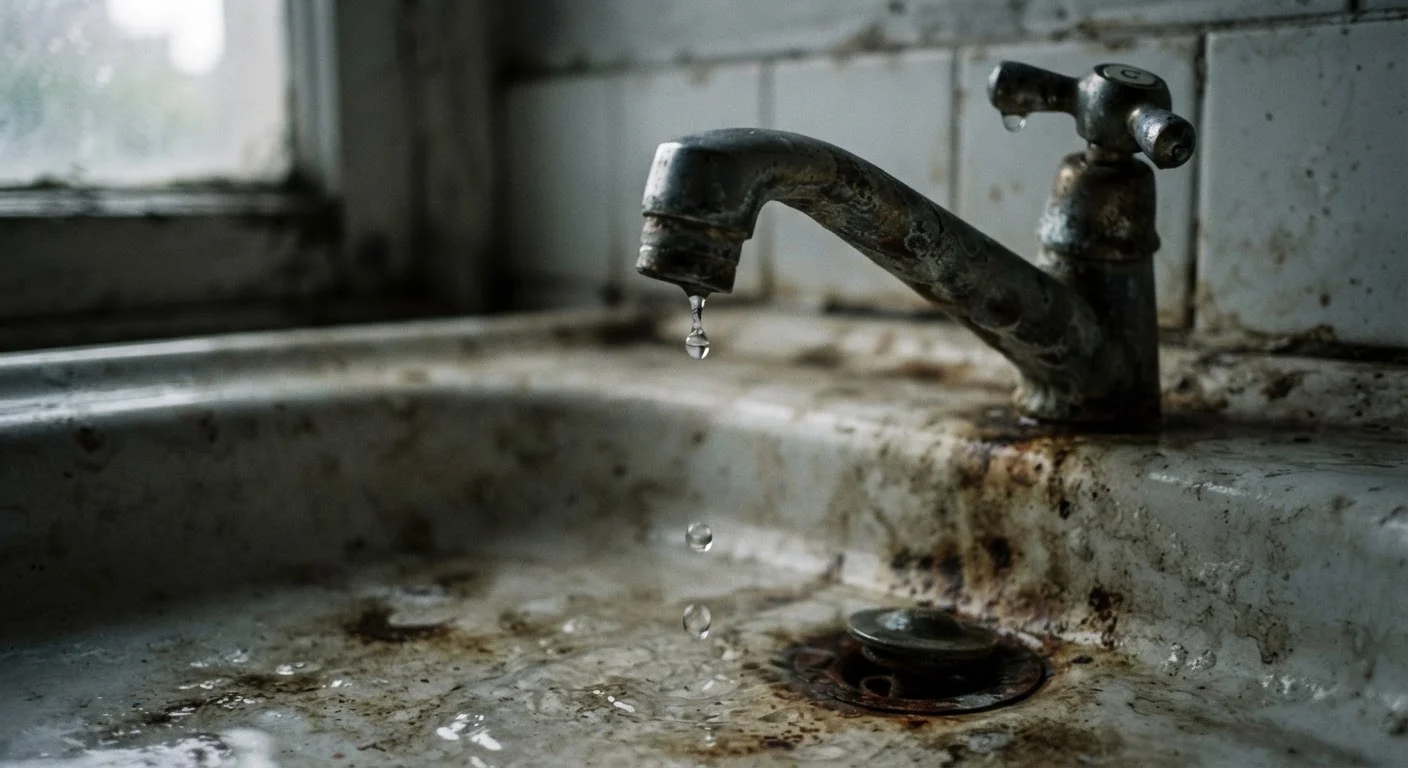
Most homeowners have a mental list of things they mean to fix eventually: a faucet that drips at night, a bathroom caulk line that's gone gray and cracked, a gutter pulling slightly away from the fascia. These items feel minor - and individually, they often are. The problem is that homes are interconnected systems, and a small failure in one spot can quietly stress everything around it.
Water is the most common culprit. A cracked caulk line around a tub isn't just cosmetic; it's an opening for moisture to reach the wall cavity behind the tile. Over months, that moisture can soften drywall, encourage mold growth, and begin rotting the structural framing. What started as a ten-minute caulking job can become a bathroom gut-and-rebuild. This pattern - minor issue escalates into systemic damage - is the central mechanic of deferred maintenance.
The same logic applies beyond plumbing. A loose roof shingle exposes underlayment to UV degradation and wind. A dripping outdoor spigot keeps soil saturated near a foundation. A sticking door that seems like a nuisance may signal shifting in the frame or foundation settling that warrants a closer look.
Make a Simple Repair Log
Keep a running list - even a note on your phone - of anything you notice but don't fix immediately. Date each entry. Reviewing the list monthly makes it harder for small issues to quietly age into big ones, and helps you spot recurring problems that may signal a deeper issue.
The Real Financial Picture
Postponing repairs doesn't eliminate their cost - it defers and often inflates it. Emergency service calls typically cost more than scheduled repairs. Damage that spreads requires replacing more material. And some failures, like a burst pipe or a roof collapse from unaddressed rot, can trigger insurance claims with deductibles, premium adjustments, and coverage limits that don't make you whole.
1%-3%
Suggested annual home maintenance budget range
Many housing professionals suggest budgeting between 1% and 3% of a home's value annually for maintenance, with older homes or those in harsh climates typically falling toward the higher end.
~10,000 gal
Water wasted yearly by a single dripping faucet
According to the U.S. Environmental Protection Agency, a faucet dripping at one drip per second can waste more than 3,000 gallons per year; faster drips compound that figure significantly.
Up to 40%
Potential energy loss from air leaks and poor sealing
The U.S. Department of Energy estimates that drafts from gaps around windows, doors, and penetrations can account for a significant share of a home's heating and cooling energy loss.
It's also worth considering the effect on your home's overall value. Deferred maintenance accumulates as a kind of invisible debt on your property. When buyers or appraisers assess a home, visible signs of neglect - stained ceilings, peeling exterior paint, soft spots in flooring - are interpreted as indicators of deeper problems. Even if the underlying structure is sound, a home that looks unmaintained invites lower offers and harder negotiations.
For homeowners thinking about long-term household finances, the budgeting basics that apply to everyday spending also extend to home upkeep. Building a maintenance reserve into your monthly budget - many advisors suggest budgeting roughly 1% of a home's value annually for maintenance, though individual homes vary considerably - can help smooth out the irregular timing of repair costs.
Where Deferred Maintenance Compounds Fastest
Not all small repairs carry equal risk. Some categories have a well-established pattern of fast escalation:
- Roofing: Missing or damaged shingles expose underlayment and decking to weathering. Once decking rots, a shingle repair becomes a structural repair.
- Plumbing fixtures: A slow drip from a faucet or supply line fitting can waste significant water over time, and the constant moisture stresses surrounding cabinetry and subflooring. Our guide to basic plumbing repairs covers many of these fixes in plain terms.
- Exterior caulking and weatherstripping: Gaps around windows and doors let in moisture and air, raising energy costs and enabling water infiltration into wall assemblies.
- Gutters and drainage: Blocked gutters force water over their edges and against siding and foundation walls - two of the most expensive areas to repair.
- HVAC filters and seals: A neglected air filter stresses the blower motor and reduces efficiency. Ignored refrigerant leaks or duct gaps compound both energy costs and equipment wear.
The pattern across each of these categories is consistent: the longer the wait, the more the problem spreads into adjacent materials and systems.
Building a Proactive Maintenance Habit
The most practical defense against compounding repair costs is catching problems while they're still simple. A seasonal home maintenance checklist reviewed four times a year can surface issues before they escalate - a loose shingle before a rainstorm, a failing caulk line before winter freeze-thaw cycles, a slow drain before a full blockage.
When reviewing your home, think systematically rather than reactively. Walk the exterior, check the attic and basement for moisture or pest signs, test plumbing fixtures, and note anything that has changed since your last inspection. Catching a pattern early - new staining, fresh paint bubbles, a door that suddenly sticks - is often more valuable than waiting until the symptom is obvious.
Many routine maintenance tasks are genuinely manageable for a prepared homeowner. If you're weighing whether to take on a repair yourself, our balanced look at the pros and cons of DIY home repairs can help you make that call clearly. For anything involving electrical systems, gas lines, structural components, or work that requires a permit, always consult a licensed professional - the stakes of getting those wrong are simply too high.
Small repairs done promptly are almost always the less expensive, less disruptive choice. The goal isn't perfection; it's consistency. A home that gets regular attention tends to stay manageable - and avoids the kind of compounding failures that turn into financial and structural crises.