

Key Takeaways
Significant savings on labor costs
Labor typically makes up a large portion of any professional repair bill. Handling straightforward jobs yourself eliminates that expense entirely, redirecting money toward materials or savings.
Builds lasting, transferable home skills
Every repair you complete successfully adds to a practical skill set you'll draw on for years. Homeowners who understand their home's systems are also better at spotting problems early.
Work on your own schedule
DIY repairs don't require waiting for contractor availability. You can address issues as soon as you're ready, which matters when a problem is causing inconvenience or minor damage.
Full control over materials and methods
When you do the work yourself, you choose the materials and can prioritize quality over what a contractor might select for margin or speed. This is especially valuable for visible finishes.
Boosts long-term homeowner confidence
Successfully completing repairs builds a realistic sense of what you're capable of - and a clearer understanding of when a job genuinely exceeds your skill level.
Mistakes can cost more than hiring out
An error on a plumbing repair or a poorly installed fixture may require a professional to undo your work before completing the actual fix - effectively doubling the cost.
Some work legally requires permits or licensed tradespeople
Electrical, structural, and certain plumbing repairs are regulated in most U.S. jurisdictions. Unpermitted work can create liability issues and complications when selling your home.
Real safety risks on certain job types
Working with electricity, gas lines, or at significant heights carries genuine injury risk. Inadequate preparation or tools can turn a minor repair into a dangerous situation.
Time investment is often underestimated
DIY projects frequently take two to three times longer than anticipated, especially for first-timers. That time cost should factor into your decision, particularly for urgent repairs.
Upfront tool and material costs add up
Specialized tools purchased for a single repair can offset labor savings significantly. It's worth calculating total project cost - not just labor - before deciding to DIY.
No warranty or professional accountability
Licensed contractors typically stand behind their work with warranties. DIY repairs come with no such safety net, meaning any future failure is entirely your responsibility to address.
Our Verdict
DIY home repair is a genuinely valuable skill set for homeowners willing to invest time in learning properly and honest enough to recognize their limits. The financial and personal rewards are real, but so are the risks when jobs are tackled without adequate preparation. Approaching each project with clear-eyed judgment - not just enthusiasm - is what separates a successful DIYer from an expensive mistake.
Best for homeowners comfortable with basic tools who want to handle routine maintenance and low-risk repairs confidently, while knowing when to hand a job to a licensed professional.
Why Homeowners Turn to DIY
The appeal of doing your own home repairs is easy to understand. Labor costs have risen steadily, and a job that takes a contractor two hours can carry a bill that surprises even experienced homeowners. Beyond the money, there's something genuinely satisfying about diagnosing a problem, gathering what you need, and solving it yourself.
But the decision to DIY deserves more than enthusiasm. Every repair comes with a specific set of skills, tools, and risks - and what's manageable for one homeowner may be genuinely dangerous for another. This balanced look covers both sides honestly, so you can make the call that fits your situation. If you're just getting started, our guide for first-time homeowner repairs covers the full landscape from tools to permits.
The Real Advantages of DIY Home Repair
Done well, DIY repairs deliver benefits that go beyond a lower invoice.
Significant savings on labor costs
Labor typically makes up a large portion of any professional repair bill. Handling straightforward jobs yourself eliminates that expense entirely, redirecting money toward materials or savings.
Builds lasting, transferable home skills
Every repair you complete successfully adds to a practical skill set you'll draw on for years. Homeowners who understand their home's systems are also better at spotting problems early.
Work on your own schedule
DIY repairs don't require waiting for contractor availability. You can address issues as soon as you're ready, which matters when a problem is causing inconvenience or minor damage.
Full control over materials and methods
When you do the work yourself, you choose the materials and can prioritize quality over what a contractor might select for margin or speed. This is especially valuable for visible finishes.
Boosts long-term homeowner confidence
Successfully completing repairs builds a realistic sense of what you're capable of - and a clearer understanding of when a job genuinely exceeds your skill level.
Labor often accounts for 50% or more of a professional repair bill, so completing a job yourself can represent meaningful savings - particularly for recurring maintenance tasks. Over time, those savings can add up considerably. To make the most of those financial wins, it helps to fold home maintenance costs into a household budget; budgeting basics can help you plan for both DIY costs and the repairs you'll eventually hire out.
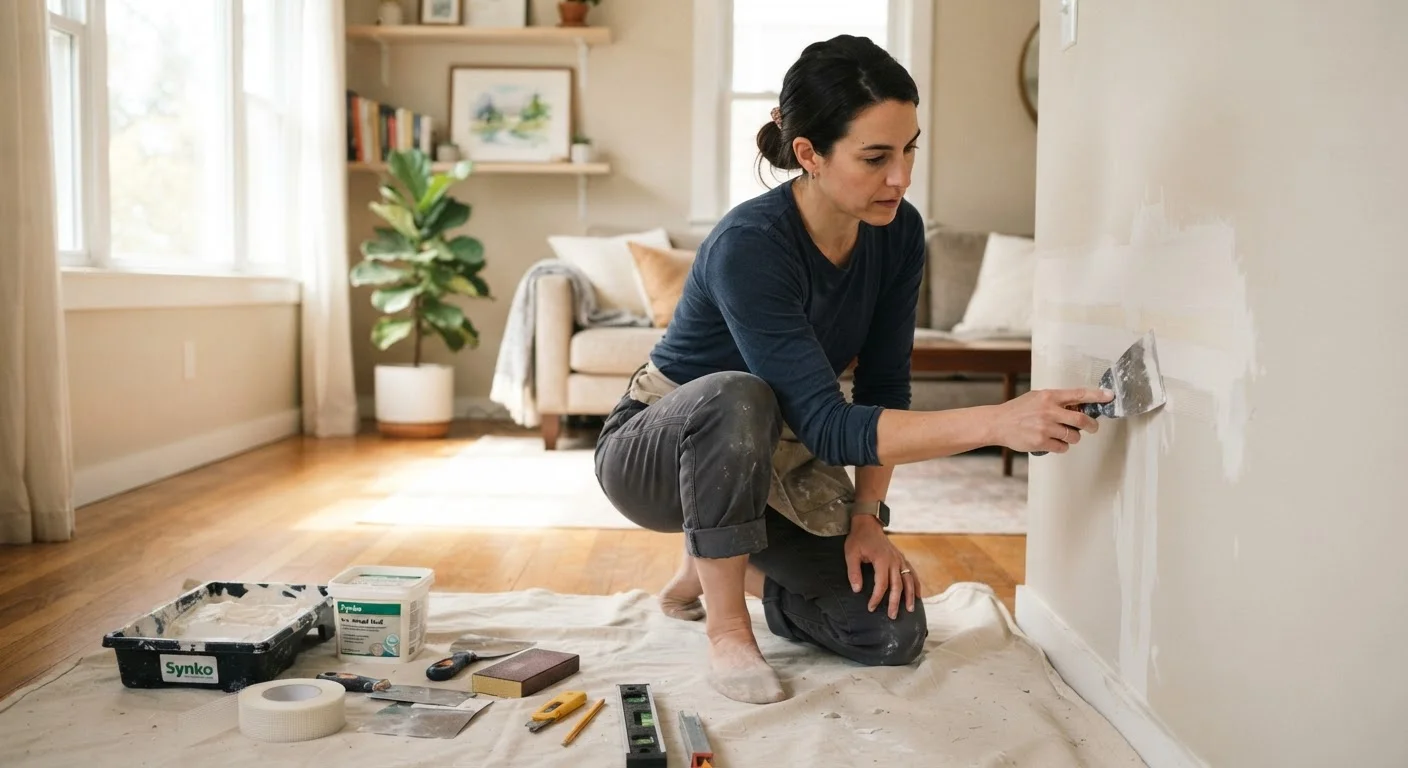
The skill-building benefit is also worth taking seriously. A homeowner who learns to patch drywall, replace a faucet, or seal a window properly is better equipped to catch early warning signs of bigger problems - and that kind of preventive awareness has real long-term value.
The Honest Drawbacks You Should Know
The disadvantages of DIY aren't reasons to avoid repairs altogether - they're reasons to go in with realistic expectations.
Mistakes can cost more than hiring out
An error on a plumbing repair or a poorly installed fixture may require a professional to undo your work before completing the actual fix - effectively doubling the cost.
Some work legally requires permits or licensed tradespeople
Electrical, structural, and certain plumbing repairs are regulated in most U.S. jurisdictions. Unpermitted work can create liability issues and complications when selling your home.
Real safety risks on certain job types
Working with electricity, gas lines, or at significant heights carries genuine injury risk. Inadequate preparation or tools can turn a minor repair into a dangerous situation.
Time investment is often underestimated
DIY projects frequently take two to three times longer than anticipated, especially for first-timers. That time cost should factor into your decision, particularly for urgent repairs.
Upfront tool and material costs add up
Specialized tools purchased for a single repair can offset labor savings significantly. It's worth calculating total project cost - not just labor - before deciding to DIY.
No warranty or professional accountability
Licensed contractors typically stand behind their work with warranties. DIY repairs come with no such safety net, meaning any future failure is entirely your responsibility to address.
One of the most commonly overlooked risks is the permit issue. Many repairs that seem cosmetic - replacing a water heater, adding an outlet, modifying load-bearing elements - require permits in most U.S. jurisdictions. Unpermitted work can complicate home sales, void insurance claims, or trigger code enforcement. Always check with your local building department before starting work that could fall under permit requirements.
It's also worth being honest about the hidden costs of a failed attempt. A botched tile job, an improperly seated wax ring, or a poorly patched roof section can cost far more to fix properly than the original repair would have. Common DIY myths - like the belief that permits are optional for small jobs - are worth confronting before you pick up a tool.
Knowing Where to Draw the Line
The most important DIY skill may be knowing when not to DIY. Electrical panel work, gas line repairs, structural changes, and most plumbing that connects to the main supply line are areas where mistakes carry serious safety consequences - and where licensed professionals are typically required by law.
When a Permit Is Required
Permit requirements vary by state, county, and municipality - there's no single national standard. Work that commonly triggers permit requirements includes electrical panel changes, water heater replacements, window replacements that alter openings, and structural modifications. Before starting any project that touches these systems, contact your local building department to confirm what's required. Skipping permits can affect your homeowner's insurance coverage and complicate future property sales.
For everyday repairs like replacing light switches, fixing a running toilet, repairing drywall, or weatherstripping doors, most homeowners with basic tools and careful preparation can succeed. Having the right equipment matters too - a well-chosen tool kit reduces both frustration and the risk of damaging materials. For a detailed breakdown of how to assess any specific repair, see when to DIY and when to hire.
Deferred repairs - whether DIY or professional - carry their own costs. Skipping small repairs often transforms a manageable fix into a far more expensive problem down the road.