

Key Takeaways
Why the First Visit Sets the Tone
Your pet's first veterinary appointment does more than document a starting weight and check for parasites. It establishes the baseline data - body condition, heart rate, dental development, and temperament - that every future visit will be measured against. A vet who knows your pet's normal is better equipped to spot what's abnormal later on.
It's also the visit that shapes how your pet associates the clinic environment. Pets who have calm, positive early experiences at the vet tend to be easier to examine throughout their lives. That makes your preparation as an owner genuinely consequential - not just for logistics, but for your pet's long-term comfort with veterinary care.
If you're still building out daily routines for a new animal, pet health fundamentals for new owners covers the broader habits that support a healthy life from day one.
What you will need
What to Bring and How to Prepare
The tools and documents you bring directly affect what the vet can accomplish in a single appointment. A thorough intake means fewer follow-up visits and a more complete picture from the start.
Secure pet carrier or leash
Keeps your pet safely contained in the waiting room and during transport.
Health and vaccination records
Gives the vet a baseline history of prior care, vaccines, and treatments.
Fresh stool sample
Allows the vet to screen for intestinal parasites without scheduling a return visit.
Written question list
Ensures you don't forget concerns during the appointment when stress is high.
Favorite treat or comfort toy
Can help reduce anxiety and make the experience more positive for your pet.
If you're feeding a new pet and haven't yet settled on a nutrition routine, reviewing a practical guide to feeding a new pet before your appointment gives you specific questions to raise with your vet about diet and portion sizing.
Step-by-Step: How to Prepare and What to Expect
Gather your pet's records before the day of the visit
Contact the breeder, shelter, or rescue organization for any documentation they have: vaccination records, deworming history, microchip number, and prior veterinary notes. Even a partial history is helpful. If you adopted from a shelter, they often provide a brief health summary at pickup - keep this somewhere accessible.
Collect a stool sample the morning of the appointment
A small, fresh fecal sample - roughly a teaspoon - helps the vet screen for common intestinal parasites like roundworms, hookworms, and giardia. Place it in a clean, sealed container or a zip-lock bag. Most clinics will tell you during booking whether they want one; when in doubt, bring it along.
Prepare your pet for travel
For cats and small animals, place a familiar-smelling blanket or item inside the carrier a day or two before the visit to reduce novelty stress. For dogs, practice short car rides leading up to the appointment if your pet isn't used to them. Avoid feeding a large meal immediately before travel if your pet is prone to motion sickness.
Arrive a few minutes early and check in calmly
Arriving 10 minutes early allows time for paperwork and lets your pet acclimate to new smells and sounds at a lower stress level. Keep your tone calm and neutral - pets often take emotional cues from their owners. If your clinic has separate dog and cat waiting areas, use them.
Participate actively during the physical examination
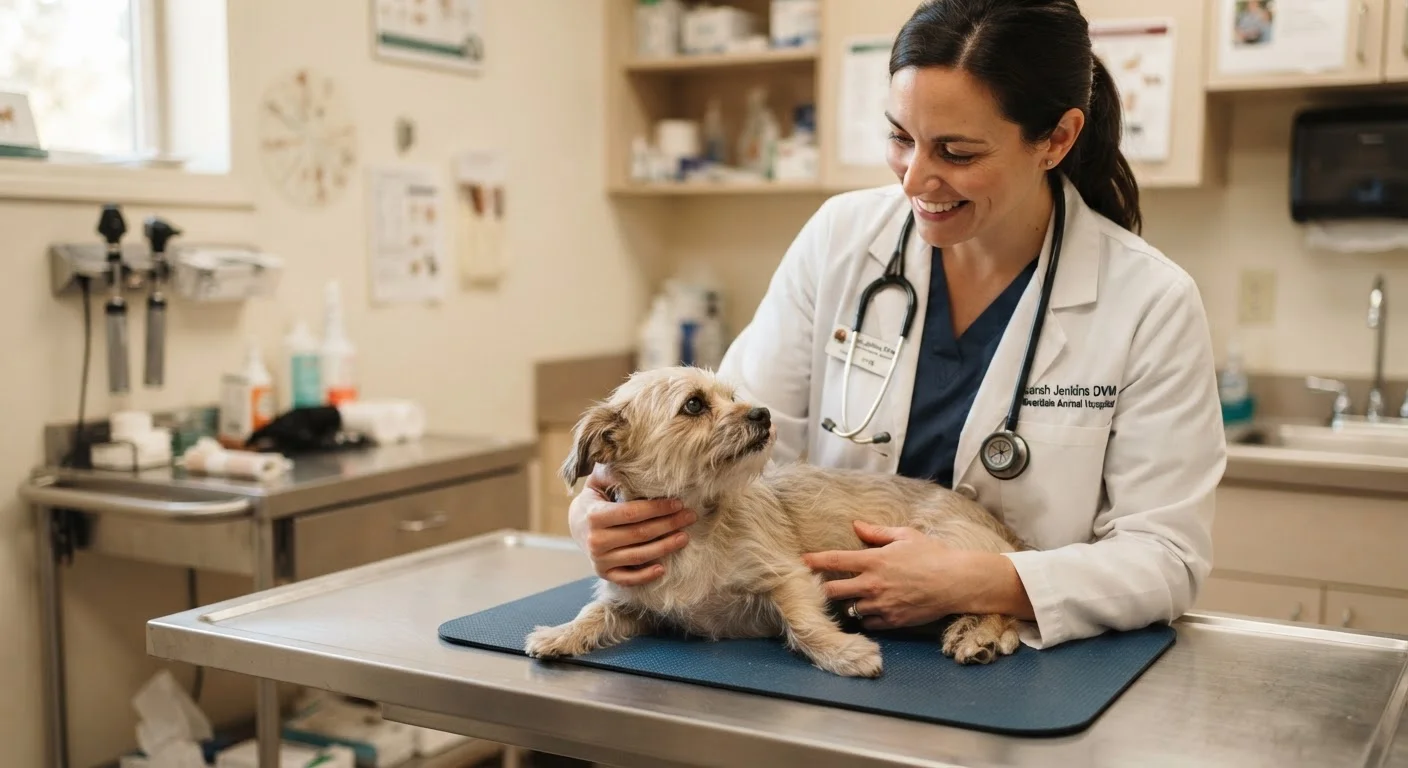
The vet will typically weigh your pet, check eyes, ears, teeth, skin, coat, and lymph nodes, listen to the heart and lungs, and palpate the abdomen. This is your opportunity to mention any behavioral changes, appetite shifts, unusual lumps, or concerns you've noticed. Describe symptoms in plain terms - when it started, how often, and under what conditions.
Ask about vaccinations, parasite prevention, and a care schedule
Before leaving, confirm which vaccines your pet received or needs, what parasite prevention is recommended for your region (fleas, ticks, heartworm), and when the next visit should be scheduled. Ask about spay or neuter timing if that applies. Preventive care recommendations vary by species, age, and local conditions, so this conversation is worth having fully.
After the appointment, your vet will typically provide discharge notes covering what was found, what vaccines or treatments were administered, and when to return. File these with your records - you'll refer to them when it's time for the annual wellness exam.
Recognizing When Something Can't Wait
A scheduled first visit covers routine wellness. But some symptoms require attention before any appointment can be arranged. Labored breathing, uncontrolled bleeding, collapse, suspected poisoning, or seizures are situations where waiting is not appropriate. Recognizing a pet emergency covers the warning signs that should prompt an immediate call to an emergency clinic rather than your regular vet.
For new dog owners in the early adjustment period, building good habits in your dog's first week home can help you establish the routines that make health monitoring easier and more consistent going forward.
This article is for general informational purposes only and does not constitute veterinary medical advice. Always consult a licensed veterinarian for guidance specific to your pet's health needs.