

Key Takeaways
Why Customs Trips Up Even Experienced Travelers
Clearing customs is one of the most misunderstood parts of international travel. It isn't just a formality - it's a legally significant checkpoint where what you say, what you carry, and which line you choose all have real consequences. Even seasoned travelers can get caught out, not through dishonesty, but through gaps in knowledge that are entirely preventable.
For a thorough walkthrough of every stage of international travel - from passport application to that first customs stamp - see our complete guide for first-time international travelers. And if you're still in the planning phase, our pre-departure checklist covers documents, health prep, and finances so nothing catches you off guard at the airport.
The mistakes below are among the most common - and most avoidable - that American travelers make at customs, both when entering foreign countries and when returning home.
The Most Common Customs Mistakes - and How to Sidestep Them
Understanding where travelers go wrong is the fastest way to make sure you don't repeat the same errors. Each of the situations below is rooted in a genuine misconception, not bad intent.
Failing to declare goods purchased or received abroad.
Why it happens: Many travelers assume small purchases or gifts don't need to be declared, or they misunderstand the $800 duty-free exemption as meaning "no declaration required."
Packing prohibited or restricted items without checking destination or re-entry rules.
Why it happens: Items perfectly legal at home - certain medications, food products, even specific plant-based souvenirs - may be banned or require permits in other countries or upon U.S. re-entry.
Joining the wrong customs or immigration line.
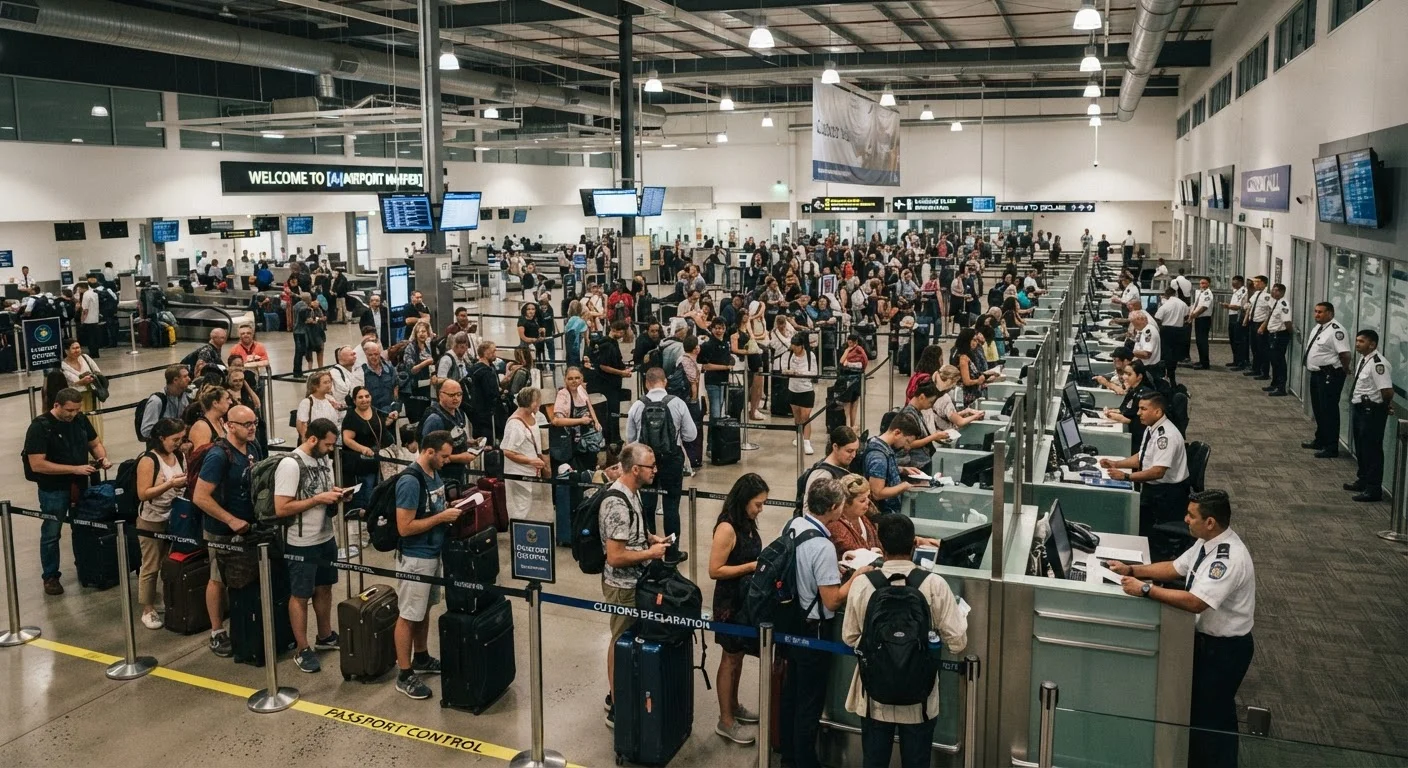
Why it happens: International terminals can be confusing, signage isn't always clear, and jet-lagged travelers often follow the crowd rather than reading queue designations carefully.
Providing vague or inconsistent answers to officer questions.
Why it happens: Nervousness or fatigue can make travelers stumble over simple questions about trip duration, purpose, or where they stayed - which can inadvertently flag them for secondary inspection.
Completing the customs declaration form inaccurately or leaving it incomplete.
Why it happens: Forms are often filled out hurriedly on the plane, and travelers guess at values or skip fields they consider irrelevant.
Food and Plant Items Are Closely Scrutinized
Many travelers are surprised to learn that fresh fruit, meat, dairy, and soil-covered items are heavily restricted or outright prohibited when re-entering the United States. Agricultural items that carry pests or disease can pose serious ecological risks. Always check the CBP website and your destination country's agricultural authority before packing food as a souvenir or gift.
One area that surprises many Americans: what you're allowed to bring back into the country is just as regulated as what you brought in. Souvenirs, food gifts, and even certain textiles can be subject to restrictions. Our article on what experienced travelers leave behind explains how thoughtful packing reduces customs scrutiny before you ever reach the airport.
What Customs Officers Are Actually Looking For
Customs and border officers are trained to identify inconsistencies - between what travelers declare, what they're carrying, and what they say when questioned. They're not trying to catch you in a technicality; they're looking for patterns that suggest something is being concealed or misrepresented.
Declaring Items Is Not Optional
U.S. Customs and Border Protection (CBP) requires travelers to declare all goods acquired abroad, including gifts, purchases, and food items. "I didn't know" is not a legal defense - officers can issue fines for undeclared items even when no intent to conceal is involved. When in doubt, declare it; officers can always waive duty on qualifying items, but they cannot un-fine you for omitting them.
Routine travelers who declare accurately, answer questions directly, and carry documentation for any unusual items (medications, high-value goods, professional equipment) move through quickly. Those who hesitate, provide contradictory information, or carry undeclared goods - even unintentionally - are more likely to be directed to secondary inspection, which can mean a significant delay.
Worth noting: many travelers hold misconceptions about how international travel rules work in general. Our piece on common myths Americans believe about international travel tackles some of the most persistent ones, including assumptions about border rules that simply aren't accurate.
$800
U.S. duty-free exemption per traveler
CBP allows most returning U.S. residents to bring back up to $800 in goods duty-free after international travel, though declarations are still required regardless of value.
~1M+
Travelers processed by CBP daily
CBP reports processing over one million travelers at U.S. ports of entry on a typical day, underscoring the importance of being prepared to move efficiently through the process.
The bottom line: customs isn't something to dread - it's something to prepare for. A few minutes of research before your trip and a carefully completed declaration form are genuinely all most travelers need to move through without a hitch.