

Key Takeaways
Option A
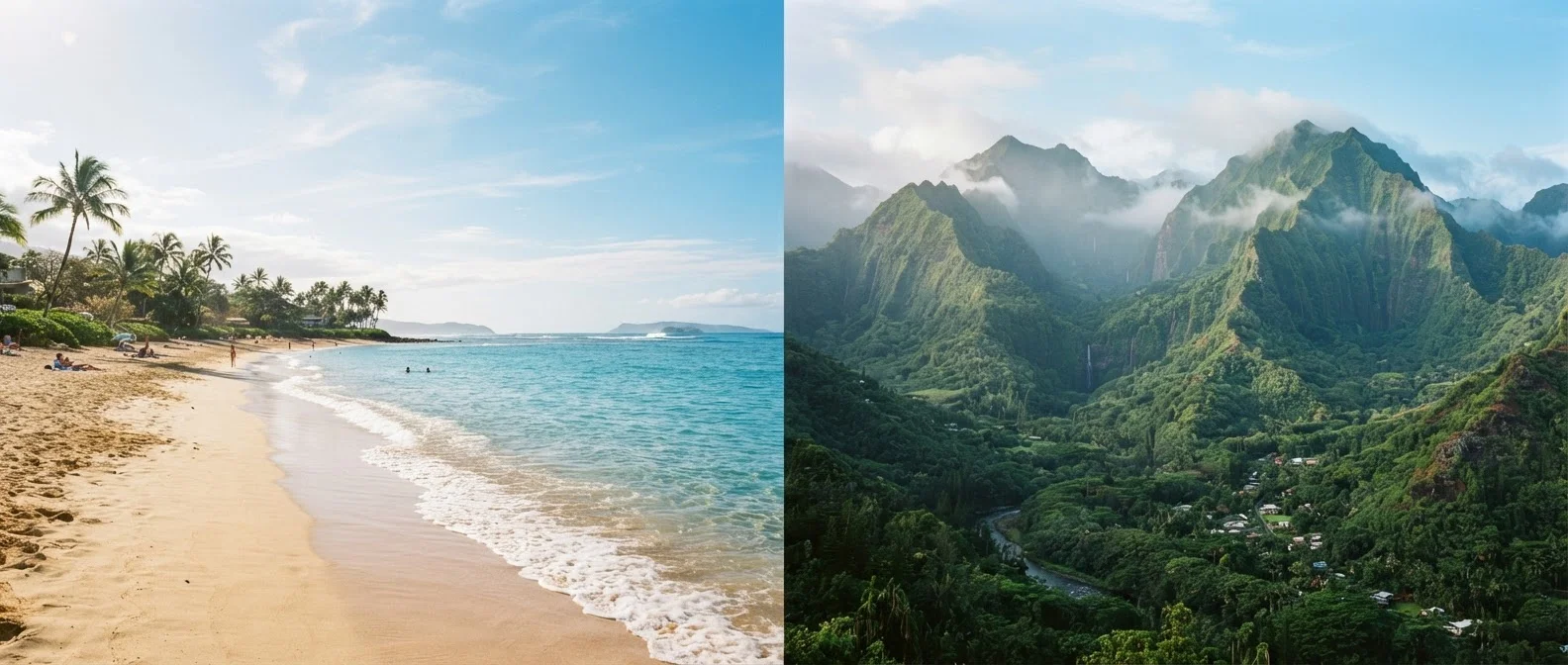
Coastal Vacations
The sun-soaked, socially vibrant classic.
Best for: Travelers who want warm weather, water activities, and a lively, relaxed beach-town atmosphere.
Option B
Mountain Vacations
The scenic, soul-restoring escape into nature.
Best for: Travelers who crave fresh air, dramatic landscapes, hiking, and genuine quiet away from the crowds.
If you want guaranteed warm weather and water activities
Coastal Vacations
Beaches along the Gulf Coast, Atlantic, and Pacific offer reliable sunshine windows and endless water-based recreation from swimming to kayaking.
If you want dramatic scenery and active outdoor pursuits
Mountain Vacations
Ranges like the Rockies, Appalachians, and Cascades deliver world-class hiking, wildlife watching, and views that photos barely do justice.
If you're traveling with young kids who need easy entertainment
Coastal Vacations
Beaches are naturally self-entertaining for children - sand, surf, and shallow water keep little ones occupied without complicated logistics.
If you want to unplug and genuinely decompress
Mountain Vacations
Mountain towns and national forest areas tend to offer quieter nights, cleaner air, and a slower rhythm that makes real rest easier to find.
If you want flexibility to visit in the off-season
Mountain Vacations
Many mountain destinations have two distinct peak seasons - summer hiking and winter skiing - giving travelers more scheduling flexibility throughout the year.
What Each Destination Type Actually Delivers
Choosing between a coastal and mountain getaway isn't just about scenery preference - it shapes your entire trip experience, from how you spend your mornings to how much you pack. Both destination types span a huge range within the US, so understanding what each genuinely offers (and where each falls short) is the clearest starting point.
Coastal destinations - from the Outer Banks of North Carolina to the Pacific Coast Highway towns of California - trade in warmth, saltwater, and a laid-back social energy. Beach towns typically offer a denser mix of dining, nightlife, and watersports infrastructure. The flip side: popular coasts get genuinely crowded in summer, and prices for accommodation near the water can spike sharply during peak weeks. Traveling outside peak season can dramatically change the experience and the cost.
Mountain destinations - think the Great Smoky Mountains, Colorado Rockies, or Washington's North Cascades - offer expansive trails, wildlife encounters, and a natural quiet that's increasingly rare. Infrastructure can be thinner in rural mountain areas, so dining and lodging options may be more limited, but that same quality is part of the appeal for many travelers seeking a genuine escape.
| Criterion | Coastal Vacations | Mountain Vacations |
|---|---|---|
| Primary appeal | Sun, water, beach-town vibe | Scenery, hiking, fresh air |
| Peak season crowds | Very high in summer | High in summer and ski season |
| Off-season viability | Mild; some areas quiet down sharply | Strong; two distinct peak seasons |
| Physical demands | Low to moderate | Moderate to high; altitude a factor |
| Family-friendliness | Very high for young children | High for active families |
| Dining and nightlife | Generally abundant near popular coasts | More limited in rural areas |
| Wildlife encounters | Marine life, shorebirds | Deer, bears, eagles, and more |
| Weather unpredictability | Hurricane risk in season | Sudden storms; winter road risk |
Cost, Accessibility, and Timing Considerations
Neither destination type is inherently more expensive than the other - context matters far more. A beachfront rental at peak summer can cost several times what a mid-week mountain cabin runs in the same period. Seasonality drives pricing on both sides.
97M+
Annual US national park visits in mountain regions
The National Park Service reports tens of millions of visits annually to parks concentrated in mountain states like Colorado, Wyoming, and Utah.
2-3x
Typical peak vs. off-season lodging price difference
Lodging analytics from travel industry reports consistently show peak-season coastal and mountain rates running two to three times higher than shoulder-season prices.
8,000 ft
Altitude at which acclimatization becomes relevant
Travel medicine guidelines generally suggest travelers may notice altitude effects - fatigue, headache - at elevations around 8,000 feet and above.
For most Americans, coastal destinations on the Atlantic or Gulf are within a reasonable driving range. Mountain ranges are similarly accessible depending on your starting point - the Appalachians draw millions of East Coast visitors, while the Rockies serve as a magnet for road-trippers across the central US. If you're combining either type of trip with a longer route, our road trip planning guide can help you build an itinerary that doesn't burn you out behind the wheel.
Weather timing is where the stakes are highest. Mountain trips in late fall or winter require readiness for cold temperatures, potential road closures, and altitude considerations - especially for travelers not accustomed to elevations above 8,000 feet. Coastal trips in hurricane season (June through November on the Atlantic and Gulf) carry weather uncertainty that's worth monitoring before you book.
Activities, Pace, and Who Each Suits Best
Your travel style is the real deciding factor. Coastal trips tend to reward those who enjoy a flexible, unscheduled pace - reading on the beach, wandering into seafood shacks, and staying up late. The social energy of beach towns suits couples, groups of friends, and families with kids who entertain themselves easily near water.
Mountain trips reward those who like a more structured physical itinerary - planning day hikes, setting out early for summit views, or renting gear for fishing and cycling. If your group includes a mix of fitness levels, it's worth checking trail difficulty ratings in advance; altitude can affect even fit travelers more than expected. For those considering overnight stays in nature, our breakdown on camping versus renting a cabin walks through the trade-offs in detail.
Solo travelers often find mountain destinations particularly rewarding - the built-in structure of trail systems means you're never short of a plan, and the culture around outdoor recreation tends to be welcoming and community-minded. Those curious about quieter, less-visited spots on either terrain might also want to explore underrated small towns that sit near both coasts and mountain ranges without the headline-destination price tags.