

Key Takeaways
Why the Midwest Gets Written Off
Ask most Americans where they'd rather spend a vacation week, and the Midwest rarely tops the list. Coastal beaches, mountain parks, and international cities tend to dominate itineraries - leaving a 12-state swath of the country largely overlooked. But the reasons people skip the Midwest are almost entirely rooted in assumption rather than experience.
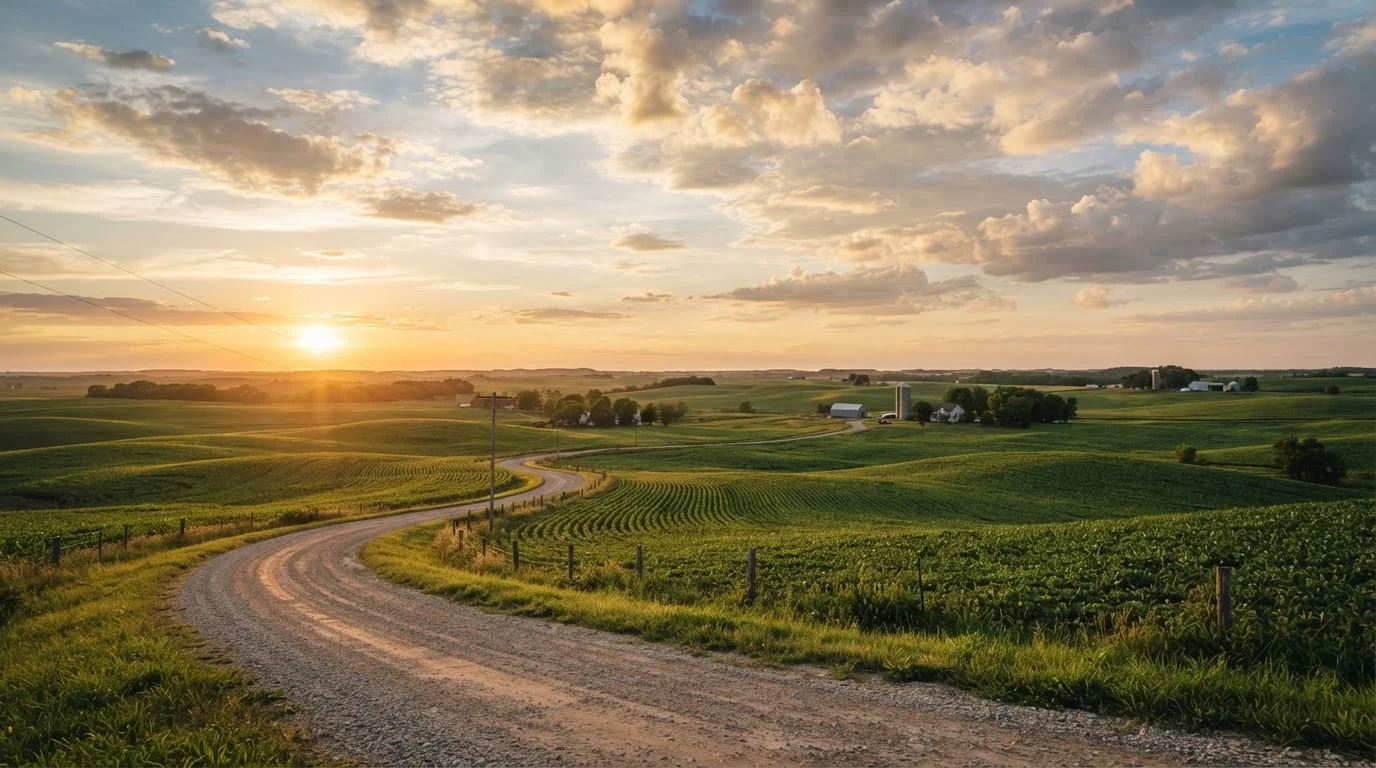
The dominant narrative - flat, featureless, nothing to do - doesn't hold up against the actual geography and culture of the region. The Midwest contains the Great Lakes (the largest freshwater system in the world), the Boundary Waters wilderness in Minnesota, glacier-carved bluffs along the Mississippi River, and sand dunes rising 450 feet above Lake Michigan. That's before you get to the cities.
If you've been planning around the coasts, it may be worth reconsidering. The trip planning assumptions that cost travelers time and money often include dismissing entire regions based on reputation alone.
Assuming the Midwest is geographically flat and visually uninteresting.
Why it happens: Pop culture and casual conversation tend to reduce the region to cornfields and highway, ignoring its actual topographic and ecological diversity.
Treating Midwest cities as layover stops rather than destinations in their own right.
Why it happens: Travelers often pass through Chicago O'Hare or Minneapolis-Saint Paul airports without considering that the cities themselves merit a multi-day visit.
Skipping the region because it lacks an iconic "anchor" attraction like a national park or coastline.
Why it happens: American travelers tend to plan around singular landmarks - Yellowstone, the Grand Canyon, the Pacific Coast - and the Midwest doesn't have one equivalent image that dominates the imagination.
Underestimating the Midwest's food and dining culture.
Why it happens: Food media historically concentrated on coastal cities, giving travelers the impression that serious dining only happens in New York, Los Angeles, or San Francisco.
Planning a Midwest trip as a drive-through rather than a destination stay.
Why it happens: Because the region sits between coasts, many travelers treat it as something to cross rather than explore, moving through it quickly on the way to somewhere else.
What Travelers Actually Find When They Go
Chicago is regularly cited among the greatest American cities - its architectural legacy, museum campus, and restaurant culture are genuinely world-class. But the Midwest's appeal extends well beyond its largest anchor. Detroit's resurgent arts district and music history, Minneapolis's acclaimed theater scene and James Beard-recognized dining, Kansas City's barbecue and jazz heritage, and Cleveland's Rock and Roll Hall of Fame all offer substantive experiences that justify a dedicated trip.
Beyond cities, the region's small towns reward travelers willing to explore. Door County in Wisconsin, Galena in Illinois, and the college towns scattered through Ohio and Indiana each carry distinctive character that can anchor a memorable long weekend.
12
States spanning the Midwest region
The US Census Bureau defines the Midwest as 12 states, covering a geographic and cultural range far broader than popular perception suggests.
21%
Share of world's surface fresh water in the Great Lakes
The Great Lakes system holds roughly one-fifth of the world's surface fresh water, making it one of the most significant natural features in North America.
450 ft
Height of Indiana Dunes above Lake Michigan
Indiana Dunes National Park features sand dunes rising up to 450 feet, a landscape that consistently surprises travelers expecting flat terrain.
Practically speaking, the Midwest frequently offers a cost advantage. Hotel rates, restaurant meals, and attraction admission in cities like Indianapolis, Columbus, or St. Louis often run meaningfully lower than comparable coastal metros - without the trade-off of a lesser experience. For travelers building trips around value, that gap matters.
For those who enjoy the unhurried pace that makes travel genuinely restorative, the Midwest delivers in ways that slower travel styles reveal. You don't need a packed itinerary - a drive along the Great River Road or a few days in the Upper Peninsula of Michigan can be deeply satisfying on its own terms.
When you're ready to build your trip, a well-structured plan makes all the difference. Consider what a solid travel itinerary should actually include before you commit to dates and logistics.