

Key Takeaways
Odometer Rollback & Title Washing
Odometer rollback is the illegal practice of altering a vehicle's recorded mileage to make it appear lower than it actually is, inflating the car's perceived value. Title washing is a related fraud where a vehicle's official title is re-registered across state lines to remove or hide negative history - such as a salvage or flood designation. Both schemes deceive buyers into paying more for a car than it is worth, or into purchasing a vehicle with serious hidden problems.
Title washing exploits inconsistencies between individual state title-branding laws; a designation required in one state may not carry over when a vehicle is re-titled in a state with less stringent branding requirements.
How Odometer Rollback Works
Every mile a vehicle travels adds wear to its engine, transmission, suspension, and other critical components. Higher mileage generally means lower market value - which is exactly why odometer fraud exists. By making a 180,000-mile vehicle appear to have 80,000 miles, a fraudster can command thousands of dollars more at the point of sale.
Mechanical odometers - the kind with physical number wheels - were relatively straightforward to alter by disassembling the instrument cluster and manually winding the numbers back. Modern vehicles use digital odometers, which store mileage data electronically. While this adds complexity, dedicated tools and software exist that allow bad actors to reprogram the stored mileage value. The physical odometer display then shows a lower reading, while the vehicle's actual wear tells a different story.
Sellers who roll back odometers also often forge or omit service records to make the altered mileage plausible. A vehicle that supposedly has 75,000 miles should not have worn brake rotors, stretched timing components, or cracked seals consistent with double that distance - all things a qualified mechanic can identify during a thorough pre-purchase inspection.
Always Request an Independent Inspection
Before finalizing any used-car purchase, have the vehicle inspected by a mechanic you hire independently. Ask them specifically to check for signs of prior flood damage, unusual repairs, and wear patterns inconsistent with the stated mileage. This single step catches problems that paperwork alone may miss.
Understanding Title Washing
A vehicle title is the legal document that establishes ownership and, crucially, records a vehicle's history of damage or total-loss declarations. When a car is severely damaged - by a flood, a major accident, or a fire - the issuing state places a brand on its title, such as "salvage," "flood," "rebuilt," or "junk." These brands are intended to follow the vehicle permanently and alert future buyers to its condition.
Title washing exploits the fact that individual states have different branding requirements and do not always cross-reference each other's records when issuing a new title. A fraudster re-registers a branded vehicle in a state with looser requirements or inconsistent data-sharing, where the damaging designation may not carry over. After one or two such transfers, the car can emerge with a clean title - even though nothing about its underlying condition has changed.
This practice is illegal under federal law, but enforcement is difficult given the volume of vehicle transfers that occur daily. As noted by the NHTSA, certain states have historically served as pass-through jurisdictions for title washing because their laws did not require them to honor other states' brands. Legislative improvements have narrowed these gaps, but they have not eliminated them entirely.
To understand how vehicle titles and registrations work as legal documents in the first place, see our guide to what each document actually does. And if you're navigating a private sale, our article on transferring a car title state by state explains what proper documentation should look like.
Red Flags to Watch Before You Buy
Fraud schemes rely on buyers not doing enough homework. Several warning signs can surface before you commit to a purchase:
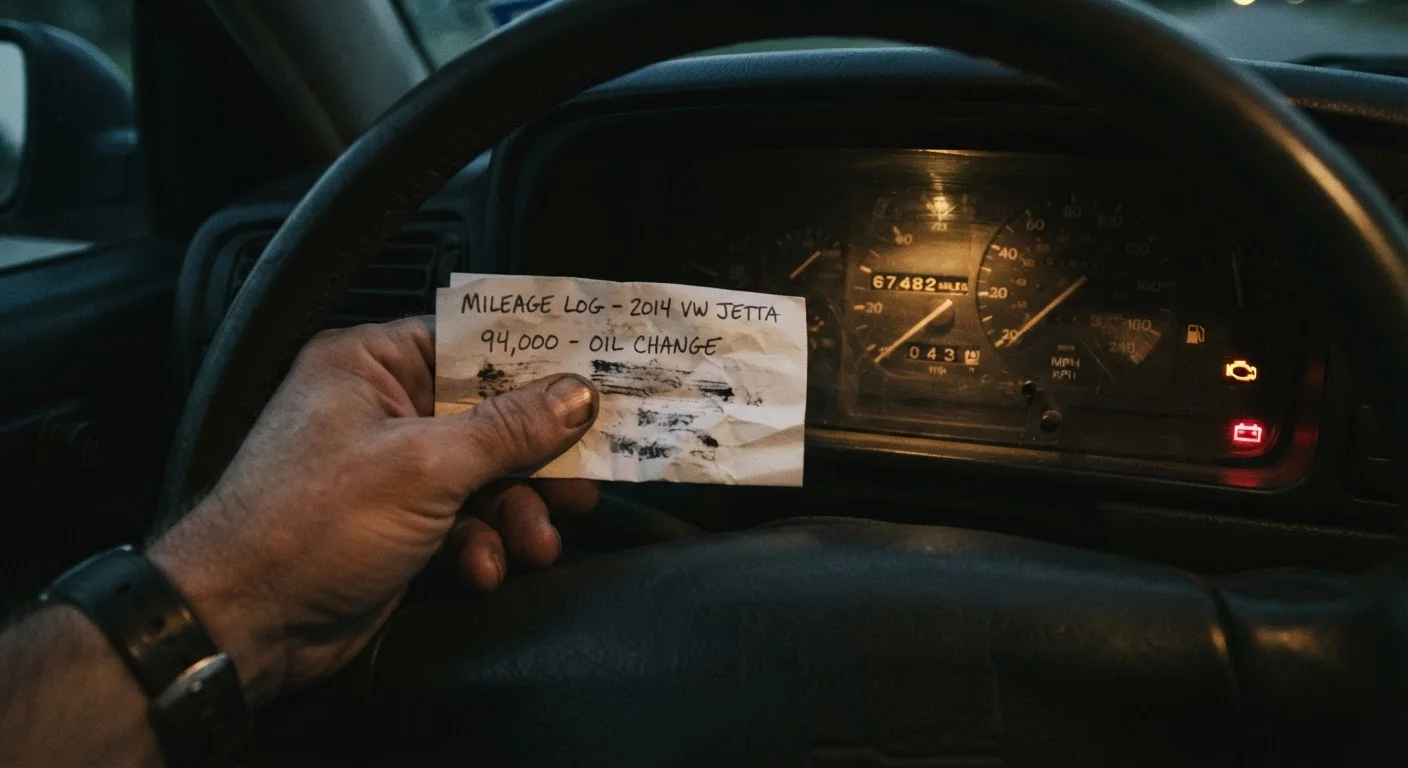
- Mileage inconsistencies: Compare the odometer reading against any available service records, oil change stickers, or inspection documents. A mismatch is a serious red flag.
- Rapid multi-state ownership history: A vehicle that changed hands across several states within a short period may have been pushed through title-washing channels.
- Title brand discrepancies: Run the Vehicle Identification Number (VIN) through NHTSA's free odometer disclosure database and a commercial vehicle history service. Look for any prior salvage, flood, or rebuilt designations that contradict a supposedly clean title.
- Physical wear inconsistent with stated mileage: Heavily worn pedals, a cracked or pitted steering wheel, and weathered seat bolsters all suggest higher use than the odometer claims.
- Seller reluctance to allow inspection: Any seller who objects to a pre-purchase inspection by an independent mechanic is a significant concern.
Vehicle History Reports Have Limits
Reports from services that aggregate DMV, insurance, and auction data are valuable tools, but they only reflect what was officially recorded. Unreported accidents, cash repairs, and cross-state title fraud can all leave gaps in the data. Use a history report as a starting point, not a final verdict on a vehicle's condition.
Vehicles with rolled-back odometers and washed titles also tend to carry hidden long-term costs. Understanding the maintenance demands of high-mileage vehicles can help you estimate what deferred repairs might cost once the real mileage becomes apparent.
Protecting Yourself During a Used-Car Transaction
No single step guarantees protection, but combining several layers of due diligence substantially reduces your risk. Start by running the VIN through NHTSA's National Motor Vehicle Title Information System (NMVTIS), which aggregates title data from participating states and insurance carriers. Supplement this with a commercial vehicle history report from a widely recognized service.
Always arrange a pre-purchase inspection with a mechanic you choose independently - not one recommended by the seller. A trained technician can assess signs of flood damage (corrosion in unusual places, replacement of water-damaged components), prior structural repair (misaligned body panels, inconsistent paint thickness), and wear patterns that contradict the stated mileage.
Pay attention to the title paperwork itself. A clean title should list consistent ownership history and show no signs of alteration. If the title feels recently printed with limited history or shows signs of physical alteration, treat this as a warning sign and walk away.
Fraud in the used-car market can have real financial consequences that ripple through the total cost of ownership. Our article on keeping car ownership costs manageable covers how unexpected repair bills - the kind that follow a fraudulently sold vehicle - can derail a household budget.