

Key Takeaways
Summary
18 items · 10-20 minutes
Why Pre-Session Prep Matters
Effective pet training isn't just about the techniques you use mid-session - it's about the conditions you create before you begin. Just as a student benefits from organizing materials before studying (similar in spirit to a pre-exam preparation checklist), pet owners who prepare deliberately get more out of every training interaction.
Animals - especially dogs and cats - are highly sensitive to environmental cues and their handler's emotional state. A scattered, rushed start often produces a distracted, unresponsive pet. Taking five minutes to run through a readiness check helps you catch problems early: treats left in another room, a pet that just ate a full meal, or a space with too many competing distractions.
This checklist is designed to take under 20 minutes total and applies broadly - whether you're working on basic obedience, recall, crate comfort, or loose-leash walking. Use it before every session, and the habit itself becomes part of your training foundation. For a deeper look at the principles behind effective sessions, see our guide on consistency, patience, and clear criteria in pet training.
Treat Pouch
Keeps portioned rewards accessible and hands-free during active training.
Clicker or Verbal Marker
Precisely marks the moment your pet performs the desired behavior.
High-Value Training Treats
Small, soft, highly motivating rewards used to reinforce new or challenging behaviors.
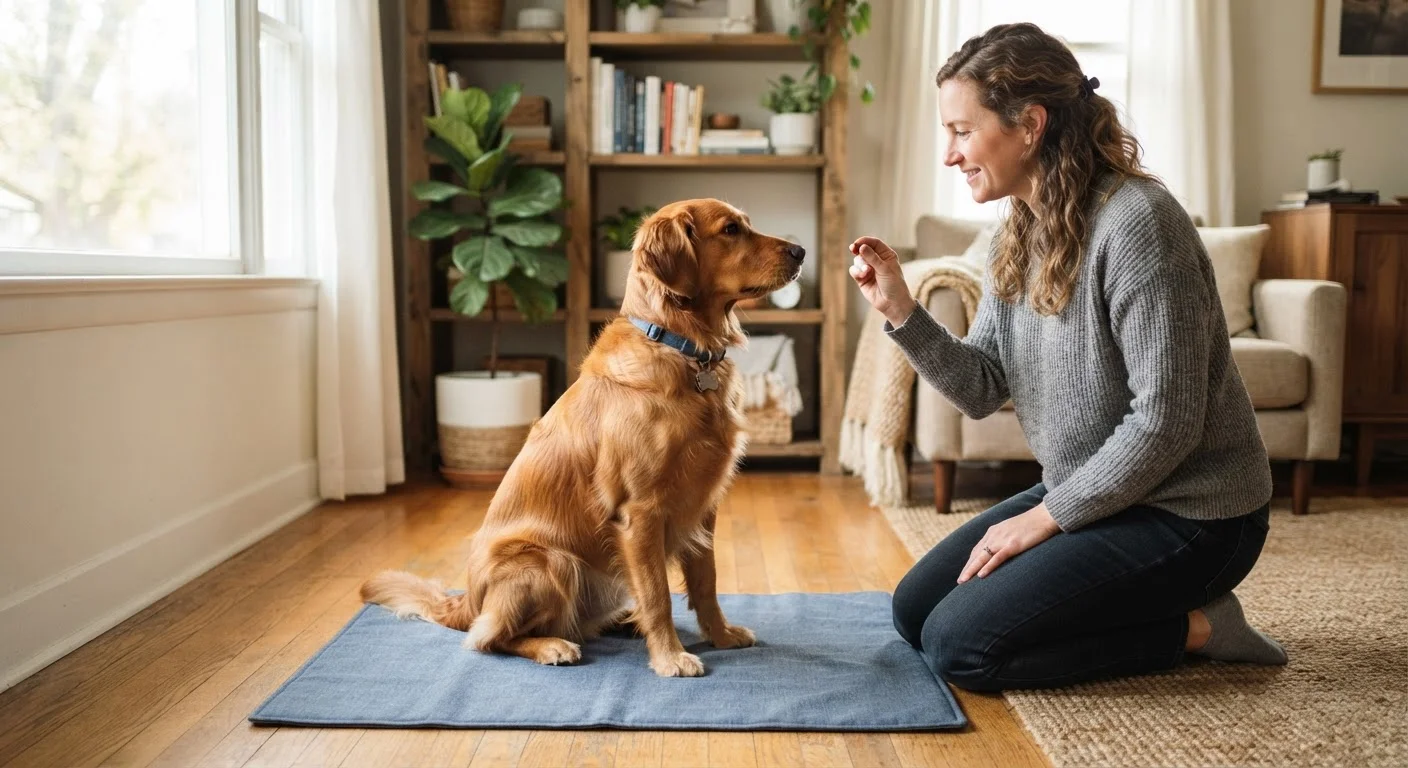
Training Mat or Designated Spot
Provides a consistent location cue that signals training time to your pet.
Leash or Long Line
Keeps your pet in the training space safely, especially during outdoor or recall work.
Session Log or Notebook
Records brief notes on what worked and what to adjust before the next session.
The Pre-Training Readiness Checklist
Work through each group below before you call your pet over to begin. The items marked must are non-negotiable for a productive session. Should items are strongly recommended, and nice-to-have items elevate your sessions when circumstances allow.
Your Pet's Physical State
Your Own Readiness
Environment and Space
Tools and Rewards
Session Close Plan
Never Train a Sick or Injured Pet
If your pet shows any signs of illness - reduced appetite, limping, unusual lethargy, vomiting, or behavioral changes - cancel the training session and consult your veterinarian. Pushing through training when a pet is in pain or unwell can worsen discomfort and create negative associations with training itself. When in doubt, prioritize your pet's health. See our annual wellness exam checklist for guidance on monitoring your pet's health proactively.
Choosing the Right Marker and Reward
One of the most overlooked prep steps is deciding in advance which marker signal - a clicker or a verbal cue like "yes" - you'll use, and ensuring your reward is motivating enough for that particular session. A pet that works enthusiastically for a small piece of chicken may be indifferent to a dry biscuit. Our article on clicker training vs. verbal markers can help you choose the approach that suits your pet and lifestyle.
Reward value should also match task difficulty. Reserve high-value treats (small bits of cooked meat, cheese, or a commercial soft treat) for new or challenging behaviors, and use everyday rewards for well-practiced cues. Portion rewards to be pea-sized or smaller - frequent reinforcement works better than large infrequent treats, and keeping calorie load low matters for your pet's overall health. For a broader view of how training fits into daily care routines, pet health fundamentals for new owners is a solid companion resource.
This article is for general informational and educational purposes only and is not a substitute for professional veterinary or certified training advice. Always consult a qualified professional for guidance tailored to your specific pet's health and behavioral needs.