

Key Takeaways
Lower accommodation rates than peak season
Hotels and vacation rentals at popular destinations frequently drop their nightly rates during shoulder periods, sometimes significantly. This can free up budget for experiences rather than just lodging.
Shorter lines at major attractions
Crowd levels at landmarks, museums, and national parks are noticeably lower, making visits more relaxed and photographically rewarding without the sea of other tourists.
Easier restaurant reservations and local access
Popular dining spots that are fully booked weeks out during peak season often have same-day or next-day availability in shoulder months, and locals are more present and less overwhelmed by visitor volume.
More authentic local atmosphere
When crowds thin out, destinations settle into something closer to their everyday rhythm. Markets, neighborhoods, and cultural spaces feel less staged and more genuine.
Comfortable sightseeing temperatures in many regions
Fall and spring often bring milder conditions than the heat of summer at sun-heavy destinations, making walking tours, hiking, and outdoor exploration more pleasant.
Unpredictable weather more likely
Shoulder months sit at the edge of seasonal shifts, which means rain, cold snaps, or unsettled conditions are more probable. Outdoor-focused itineraries carry more weather risk than during peak season.
Reduced operating hours at attractions
Museums, ferries, seasonal restaurants, and tour operators often cut back their schedules in spring and fall. What's open daily in August may run limited hours-or close entirely-by October.
Some experiences simply aren't available
Seasonal offerings like boat tours, outdoor markets, and resort amenities may not yet be running in early shoulder season, or may have wrapped up by the time fall arrives.
Flight pricing doesn't always follow hotel trends
Air travel demand has its own pricing logic. Shoulder season savings on lodging don't automatically extend to airfare, particularly for popular routes during school holidays or long weekends.
Less predictable daylight hours
Early spring and late fall mean shorter days at higher-latitude destinations, which can compress the window for outdoor activities and sightseeing in natural light.
Our Verdict
Shoulder season travel genuinely delivers on its promise of fewer crowds and more breathing room-but it's not a universal upgrade. Weather variability and reduced services mean planning ahead matters more, not less. Travelers who research conditions, stay flexible, and align expectations with the destination's actual rhythm tend to get the most out of it.
Shoulder season is best suited for flexible travelers who prioritize atmosphere and value over guaranteed sunshine and fully operational resort infrastructure.
What 'Shoulder Season' Actually Means
Shoulder season is the window between a destination's peak period-when it's most crowded and expensive-and its off-season, when many services scale back or shut down entirely. For most popular destinations in Europe and North America, that tends to mean late April through early June in spring, and September through October in fall.
But shoulder season isn't a fixed calendar date. It shifts by destination. A beach town in the Florida Panhandle has a completely different rhythm than a ski resort in Colorado or a cultural hub like New Orleans. Understanding what off-season means at specific US destinations is the clearest starting point-because shoulder season is always defined relative to that local peak, not a national average.
Before committing to dates, it's worth researching what local businesses, parks, and transport links actually do during that period. Some scale back staffing. Others thrive on the slower pace.
The Real Advantages of Traveling Shoulder Season
The benefits are real and meaningful-not just travel-blog hype.
Lower accommodation rates than peak season
Hotels and vacation rentals at popular destinations frequently drop their nightly rates during shoulder periods, sometimes significantly. This can free up budget for experiences rather than just lodging.
Shorter lines at major attractions
Crowd levels at landmarks, museums, and national parks are noticeably lower, making visits more relaxed and photographically rewarding without the sea of other tourists.
Easier restaurant reservations and local access
Popular dining spots that are fully booked weeks out during peak season often have same-day or next-day availability in shoulder months, and locals are more present and less overwhelmed by visitor volume.
More authentic local atmosphere
When crowds thin out, destinations settle into something closer to their everyday rhythm. Markets, neighborhoods, and cultural spaces feel less staged and more genuine.
Comfortable sightseeing temperatures in many regions
Fall and spring often bring milder conditions than the heat of summer at sun-heavy destinations, making walking tours, hiking, and outdoor exploration more pleasant.
Accommodation rates often drop noticeably compared to peak weeks, which can create meaningful wiggle room in a travel budget. If you're working through building a travel budget that actually holds up, timing your trip around shoulder season is one of the more reliable levers available.
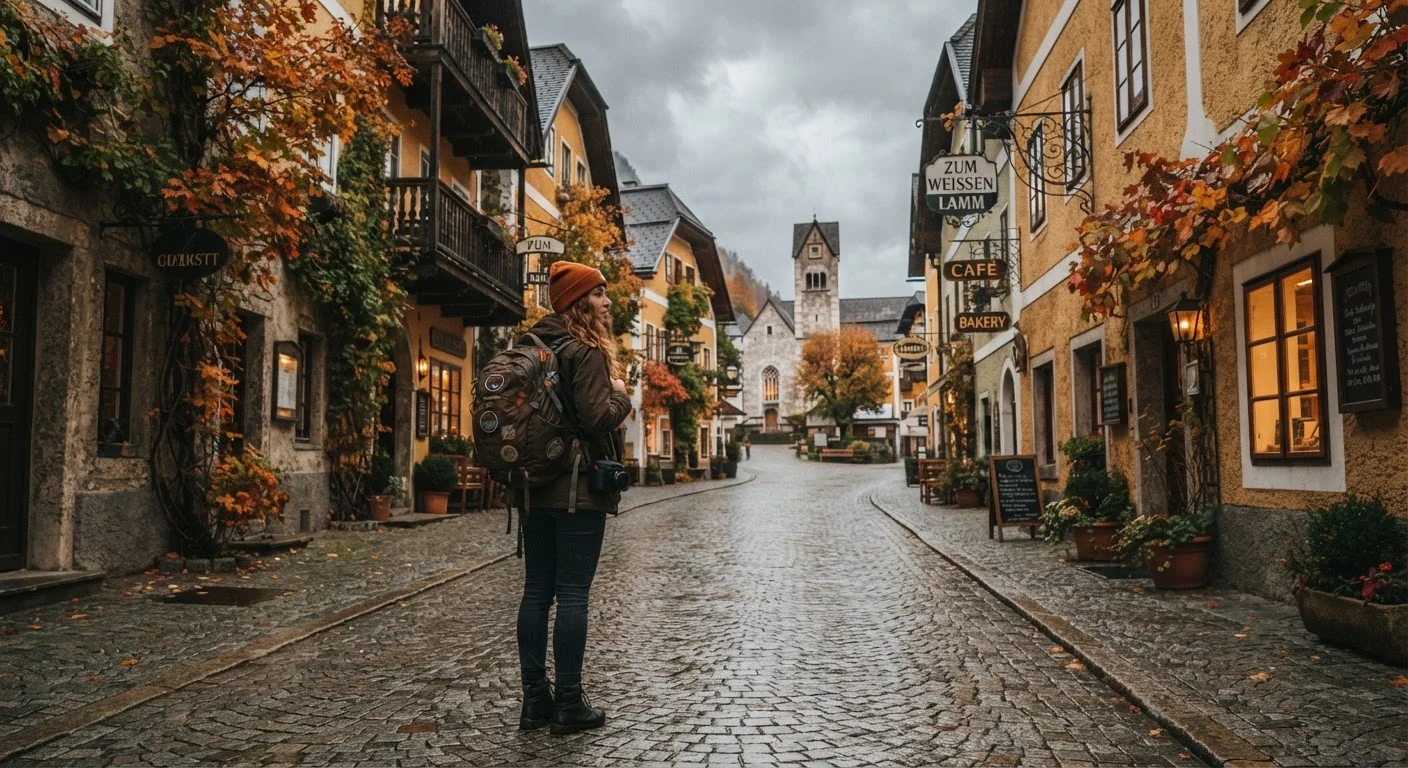
Beyond cost, the qualitative experience shifts. Landmarks that are genuinely overwhelming in July-think national parks, historic old towns, or major museum corridors-become navigable. Interactions with locals tend to feel less transactional. Restaurants have availability without a two-hour wait. That combination of access and atmosphere is hard to replicate at peak.
20-40%
Typical hotel rate drop vs. peak season
Industry hospitality data consistently shows accommodation rates in popular destinations fall by 20-40% in shoulder months compared to peak-season highs, though exact figures vary by market.
30-50%
Reduction in visitor volume at major sites
National parks and major European heritage sites have reported visitor counts 30-50% lower in shoulder months compared to summer peaks, based on publicly available park and tourism authority records.
What You Actually Give Up
Shoulder season travel involves real trade-offs, and glossing over them sets travelers up for frustration.
Unpredictable weather more likely
Shoulder months sit at the edge of seasonal shifts, which means rain, cold snaps, or unsettled conditions are more probable. Outdoor-focused itineraries carry more weather risk than during peak season.
Reduced operating hours at attractions
Museums, ferries, seasonal restaurants, and tour operators often cut back their schedules in spring and fall. What's open daily in August may run limited hours-or close entirely-by October.
Some experiences simply aren't available
Seasonal offerings like boat tours, outdoor markets, and resort amenities may not yet be running in early shoulder season, or may have wrapped up by the time fall arrives.
Flight pricing doesn't always follow hotel trends
Air travel demand has its own pricing logic. Shoulder season savings on lodging don't automatically extend to airfare, particularly for popular routes during school holidays or long weekends.
Less predictable daylight hours
Early spring and late fall mean shorter days at higher-latitude destinations, which can compress the window for outdoor activities and sightseeing in natural light.
Weather is the most unpredictable variable. Fall foliage trips can turn rainy for a week straight. A spring trip to the Mediterranean might coincide with an unseasonable cold snap. None of that is catastrophic, but it does mean packing with more versatility in mind. See what experienced travelers pack for international trips for guidance on building a flexible kit without overpacking.
The reduced-service issue is subtler but often more disruptive. A lighthouse museum open daily in August might run weekend-only hours in October. Ferry routes may run on a compressed schedule. This isn't a dealbreaker, but it requires a more carefully structured travel itinerary than a peak-season trip where everything is simply assumed to be running.
Always Verify Entry and Safety Conditions
Seasonal travel can coincide with shifting visa rules, local weather advisories, or road and trail closures. Before finalizing shoulder season plans-especially internationally-check official government travel advisories and the destination's official tourism resources. Conditions at the time of your travel may differ from general guidance, and entry requirements can change with little notice.
How to Make Shoulder Season Work for You
The travelers who get the most from shoulder season share a few habits. First, they verify operating hours and seasonal closures before booking non-refundable arrangements. A quick email or check of an attraction's official site takes minutes and can prevent a wasted day.
Second, they build in flexibility. Rigid, hour-by-hour itineraries don't pair well with unpredictable weather or limited schedules. Leaving buffer time-an unplanned afternoon, an alternate activity if something's closed-makes the experience far more enjoyable.
Third, they check whether local events align with their dates. Shoulder season can coincide with regional festivals, harvests, or cultural events that are genuinely worth experiencing-not just tourist-facing ones. This is especially true for slow travel in places like the American Southwest, where shoulder season often unlocks the best hiking conditions and the most authentic local activity.
Finally, don't assume shoulder season automatically means savings across the board. Common trip planning myths include the idea that traveling outside peak always cuts costs-flights, in particular, are driven by their own demand cycles that don't always mirror hotel or attraction pricing.