

Key Takeaways
Brake Warning Signs
Brake warning signs are sounds, sensations, and behaviors your vehicle produces when the braking system needs attention. These signals - including squealing, grinding, vibration, and pulling - are built-in cues that something has changed in how your brakes are functioning. Recognizing them early can prevent minor wear from becoming a safety concern.
Modern disc brake systems use a small metal wear indicator tab on brake pads that contacts the rotor when pads reach a critical thickness, producing the characteristic high-pitched squeal designed to alert the driver.
The Language Your Brakes Speak
Your braking system is one of the most communicative parts of your vehicle - if you know how to listen. Unlike many mechanical problems that appear without warning, brake issues almost always announce themselves gradually through distinct sounds, physical sensations, and visible behavior changes. Understanding what these signals mean is one of the most practical skills an everyday driver can develop.
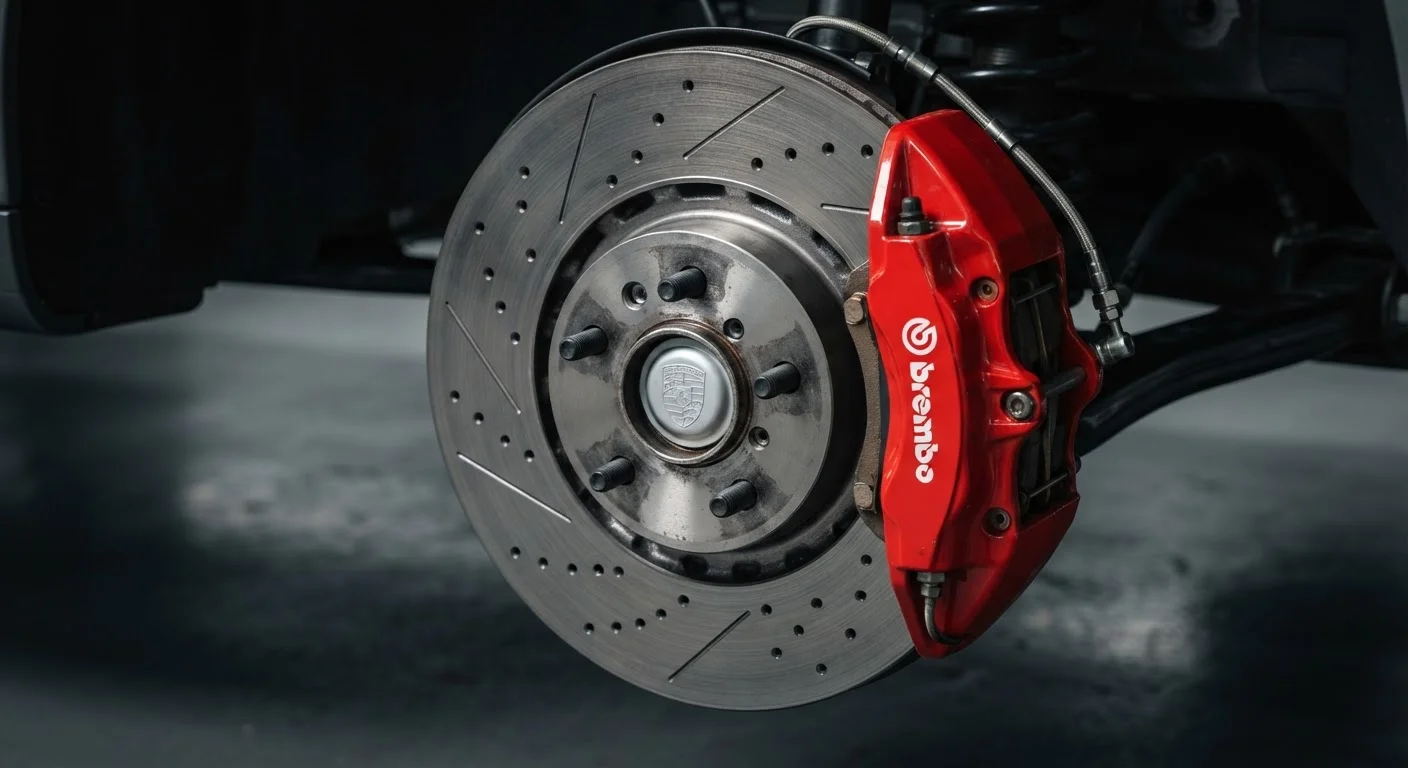
Brakes work through controlled friction: pads clamp against rotating metal rotors to slow and stop the vehicle. As components wear or develop faults, the system changes how it feels and sounds. These changes aren't random - they're predictable, and each type of symptom points toward a specific category of concern.
Make a Brake Check Part of Every Drive
Before pulling out of a parking spot, apply the brakes firmly once and notice how the pedal feels and whether the car stops straight. This simple habit takes two seconds and can surface changes in pedal feel or pulling behavior before they become urgent. It also gives you a baseline, so you'll notice when something is different.
Common Brake Symptoms and What They Indicate
Squealing or High-Pitched Squeaking
This is the most common brake sound, and in many cases it's intentional. Most brake pads include a small metal wear indicator designed to contact the rotor when the pad wears down to its minimum safe thickness. The resulting squeal is a prompt to have your pads inspected. A brief squeal only when starting out on a cold, damp morning is generally surface rust burning off and is considered normal. Persistent squealing throughout a drive is not.
Grinding or Growling Noise
Grinding is a more urgent signal. It typically means brake pads have worn through entirely, and the metal backing plate is contacting the rotor directly. This metal-on-metal friction can score or warp the rotor, turning what might have been a pad replacement into a more involved repair. If you hear grinding, have the brakes inspected promptly - continued driving accelerates damage.
Pulling to One Side
If the vehicle drifts left or right when you press the brake pedal, the braking force isn't being applied evenly. Common causes include a sticking caliper on one side, uneven pad wear, or a collapsed brake hose. Tire pressure differences can mimic this symptom, so check tires first - but if pressures are fine, a brake inspection is the next step.
Vibration or Pulsing in the Pedal
A pedal that vibrates or pulses under braking usually points to rotors that have become warped or unevenly worn. This is common after sustained hard braking (such as descending a long grade) that overheats the rotor. The sensation is similar to driving over a rumble strip in rhythm with your deceleration.
Soft, Spongy, or Low Pedal Feel
A pedal that travels further than usual before engaging, or feels soft rather than firm, is a hydraulic concern. Air in the brake lines, low brake fluid, or a degraded master cylinder can all produce this symptom. Check your brake fluid level as a first step - fluid checks you can do in your driveway walks through how to do that safely. If fluid is fine but the feel remains soft, a mechanic should inspect the system.
~22%
Of crashes linked to vehicle failure involving brakes
According to NHTSA research on vehicle-related crash causation, brake issues represent the largest single category of vehicle component failures in crashes.
25,000-65,000 mi
Typical brake pad lifespan range
Pad life varies significantly by driving style, vehicle weight, and whether driving is predominantly city or highway - emphasizing the importance of regular inspections rather than mileage alone.
~3 seconds
Added stopping distance with severely worn pads
Industry safety data indicates that severely degraded brake pads can meaningfully extend stopping distance, which at highway speeds translates to several additional car lengths before the vehicle stops.
When to Inspect and When to Act Immediately
Not every brake symptom demands you pull over immediately - but none should be ignored indefinitely. A general rule: the more the symptom affects your ability to stop predictably, the sooner it warrants professional attention.
- Schedule an inspection soon: Persistent squealing, mild pulling, occasional pedal pulsation.
- Inspect without delay: Grinding sounds, consistently soft pedal, brake warning light illuminated.
- Stop driving if safe to do so: Pedal going to the floor, complete loss of resistance, burning smell after normal driving.
Your dashboard can also be an early warning system. The brake warning light may activate before you notice any change in feel or sound. For a full breakdown of what warning lights mean and which need immediate action, see reading your dashboard warning lights.
For a realistic look at which brake-related checks are reasonable for home inspection versus which require a licensed mechanic, our DIY maintenance guide offers clear guidance. And if you ever face a brake emergency while driving, knowing how to respond to brake failure can make a critical difference.
Building the Habit of Listening
The most reliable way to catch brake problems early is to pay attention during everyday driving. Turn off the radio occasionally and notice how the brakes sound and feel under light and firm pressure. Notice whether the pedal height has changed, whether stopping distances feel different, or whether the vehicle tracks straight when you brake.
Brake inspections should be part of every routine service visit - ask your mechanic to check pad thickness and rotor condition even when you haven't noticed symptoms. Most problems caught at that stage are inexpensive to address. Left unattended, worn pads become damaged rotors, and soft pedals become brake fluid leaks.
Seasonal driving conditions also affect brake wear and performance. Extreme heat and cold stress brake components differently - seasonal maintenance guidance explains what to check before each season changes.
Your brakes are working thousands of times per year. Giving them a few moments of your attention costs nothing and can prevent outcomes that cost significantly more.
This article is for general informational purposes only. For any brake concerns affecting vehicle safety, consult a qualified, licensed mechanic.