

Key Takeaways
Pre-Purchase Inspection (PPI)
A pre-purchase inspection (PPI) is a systematic examination of a used vehicle carried out by a qualified mechanic before a buyer commits to purchase. The mechanic evaluates the car's mechanical condition, safety systems, and structural integrity, then provides a written or verbal summary of findings. The goal is to give the buyer an honest, third-party picture of what they're actually getting.
A PPI differs from a standard safety inspection or emissions test - it is broader in scope and is commissioned by the buyer, not required by the state.
What a PPI Is - and Who Performs It
When you're serious about buying a used car, a pre-purchase inspection is one of the most practical steps you can take. The inspection is performed by a mechanic of your choosing - not the seller's - which is what gives it credibility. You're paying for an independent set of eyes with no stake in the transaction.
Ideally, you bring the vehicle to a trusted shop or an independent mechanic. If you're buying from a private seller at a distance, some shops will conduct a PPI if the seller drops the vehicle off, and mobile inspection services exist in some markets. For guidance on choosing between a dealership service center and an independent shop, see our comparison of dealership vs. independent mechanics.
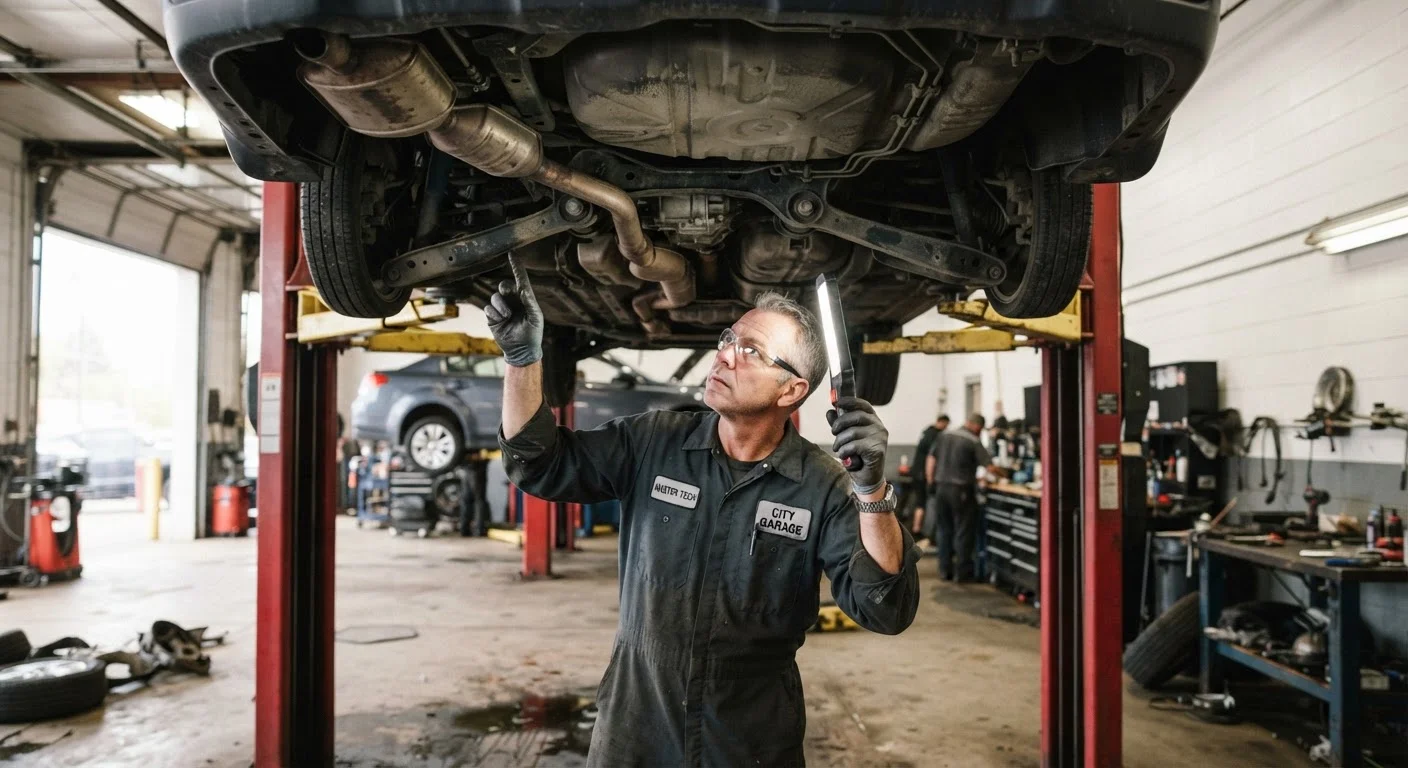
The mechanic will typically lift the vehicle, run diagnostic scans, and work through a checklist covering all major systems. At the end, you receive a clear summary of what's working, what needs attention, and what may represent a serious concern.
What the Mechanic Actually Examines
A thorough PPI covers far more ground than most buyers expect. Here's what a qualified mechanic typically evaluates:
- Engine and drivetrain: Oil condition and level, coolant, belts, hoses, and signs of leaks. The mechanic will also look for evidence of overheating history or recent work that may be masking a problem.
- Transmission and differentials: Fluid condition and shifting behavior. Automatic and manual transmissions are checked differently, but both are assessed for signs of wear or slippage.
- Brakes and suspension: Pad thickness, rotor condition, brake lines, shock absorbers, struts, and steering components. These directly affect safety.
- Tires: Tread depth, wear patterns, and whether all four tires match - uneven wear can indicate alignment or suspension problems.
- Body and frame: Evidence of prior collision damage, rust, mismatched paint, or poorly fitted panels that suggest bodywork. Frame straightness is especially important.
- Electrical systems: Lights, HVAC, power windows, and OBD-II diagnostic codes - even codes that aren't triggering a warning light yet.
- Fluid health: Brake fluid, power steering fluid, and transmission fluid are visually assessed and sometimes tested for contamination.
- Undercarriage: Rust, corrosion, and damage to exhaust components, CV axles, and fuel lines.
$100-$200
Typical cost of a pre-purchase inspection
Widely reported by consumer automotive sources as the standard range for a thorough independent PPI at most U.S. repair shops.
~40%
Used cars with undisclosed prior damage
Industry analyses of vehicle history data have consistently found that a significant share of used vehicles on the market have accident or damage history not immediately apparent to buyers.
$1,500+
Average cost of a missed major repair
Common major repairs like transmission work, timing chain replacement, or suspension overhauls routinely exceed this threshold, illustrating the financial case for an upfront inspection.
This level of detail is why a PPI is fundamentally different from a test drive. Driving the car tells you how it feels; the inspection tells you what's actually happening underneath.
How Inspection Findings Shape Your Decision
A PPI report is a negotiating tool as much as a safety check. If the mechanic finds that the vehicle needs new rear brakes and has a minor coolant leak, you have documented evidence to request a price reduction or ask the seller to make repairs before the sale closes.
More serious findings - like evidence of frame damage, a rebuilt title that wasn't disclosed, or engine issues that suggest imminent failure - give you grounds to walk away entirely. The true cost of owning a car extends well beyond the purchase price, and inheriting hidden mechanical problems can add thousands of dollars in early repair costs.
It also helps to understand what an inspection cannot cover: intermittent electrical gremlins that aren't present during the inspection, issues that only appear under specific driving conditions, or problems that are genuinely hidden beneath components. No inspection is a guarantee - it's a well-informed snapshot.
When a PPI Is Worth the Most
Every used vehicle purchase benefits from a PPI, but the value is highest in a few specific situations. Older, high-mileage vehicles carry more accumulated wear and a higher probability of undisclosed issues. Vehicles being sold as-is - without any warranty - leave the buyer with no recourse after the sale, making upfront knowledge essential.
Private-party sales also warrant particular care. Unlike a licensed dealer, a private seller is typically not subject to the same disclosure regulations. A thorough inspection levels the information gap.
Even if you consider yourself a capable DIYer, a PPI by a qualified mechanic brings expertise and equipment - a lift, diagnostic scanners, and trained pattern recognition - that go beyond what most home garages can offer. Our guide to DIY car maintenance can help you understand where your skills end and professional assessment begins.
Once you've made your purchase, your focus shifts to ongoing ownership. Understanding the paperwork side of vehicle ownership is also important - see our article on vehicle registration and title for clarity on those documents. And before your first long drive in a newly purchased vehicle, a safety walkthrough is a smart habit - our pre-road trip safety checklist is a practical starting point.